Choosing terminal-to-terminal service, booking in advance, and being flexible with pickup dates are practical ways to lower costs while maintaining safe transport. Drivers may need to travel off-route, consuming extra fuel and time, and those inefficiencies are reflected in the final price. That’s why terminal-to-terminal shipping often comes at a lower rate compared to door-to-door service. Knowing these dynamics ensures smarter planning and fewer surprises.
How Does Distance Influence Pricing? Distance is the most obvious factor, but it’s not as simple as “longer equals more expensive.” Transporters weigh mileage, fuel consumption, and driver hours when calculating a quote. Car shipping costs are never random; they’re influenced by logistics, seasonal demand, and operational realities that every transporter must evaluate before offering a quote. Urgency, however, forces them to prioritize, and that premium gets passed on to the customer.
Where Do Pickup And Delivery Locations Factor In? Pickup and delivery points play a significant role in shaping transport costs. If a vehicle’s value or condition makes exposure unacceptable, enclosed shipping becomes the logical choice, even at a higher rate.
When Does Timing Affect Cost? Timing plays a bigger role than most people realize. Flexibility allows transporters to optimize routes, which means they can offer better pricing. Multiple factors, distance, vehicle type, transport method, and pickup or delivery location, interact to raise or lower expenses. Think of it as choosing between economy and first-class seating; the destination is the same, but the experience differs significantly.
Why Does Transport Method Matter? The way a car is shipped changes the price dramatically. Urban centers with direct highway access are easier for carriers to reach, which keeps expenses lower. Size, weight, and modifications directly affect transport logistics. Similarly, last-minute bookings often cost more because carriers must adjust schedules. Planning shipments usually saves money because carriers can optimize routes and offer better rates. Less common routes lack consistent traffic, forcing carriers to adjust pricing upward since trucks aren’t naturally heading in that direction.
Why Is The “Flat Rate” Myth Misleading? It’s tempting to believe car shipping comes with a universal flat fee, but that assumption quickly unravels. A 300-mile trip may cost less per mile than a 1,500-mile journey because longer hauls spread fixed expenses more efficiently across the route. Understanding these dynamics ensures smarter planning, better budgeting, and fewer unexpected costs when shipping a car.
What Role Does Vehicle Type Play? Not all cars are created equal when it comes to shipping. A compact sedan fits easily on most carriers, while oversized trucks or SUVs may require specialized equipment. Luxury or classic cars often require enclosed transport, a premium option that costs more but ensures added protection against weather and road debris.
What About The Vehicle's Condition? Non-running vehicles require specialized handling, often involving winches or forklifts to load them safely. In contrast, operational cars are straightforward to load, making them consistently cheaper and more efficient to transport.
What Are The Hidden Elements That Shape Pricing? Beyond the obvious factors, there are subtle influences that quietly shape the final shipping quote. International routes and port regulations can also influence pricing, especially when tariffs or import fees apply. These hidden elements often surprise customers, yet they play a decisive role in determining whether the overall cost rises or falls.
How Does Market Demand Affect Pricing? Shipping costs fluctuate with demand. Seasonal demand spikes, like snowbirds moving cars south in winter, can push rates higher. Popular routes, such as Los Angeles to New York, are cheaper because carriers run them frequently. Meeting at a central hub reduces logistical strain and allows carriers to operate more efficiently.
How Does Scheduling Flexibility Play A Role? Carriers operate on optimized routes, so flexibility in scheduling allows them to fill trucks efficiently, lowering costs. That urgency translates into higher rates, making flexible timing a hidden advantage for savings.
Is Enclosed Transport Worth The Extra Cost? For high-value, luxury, or classic cars, enclosed transport is worth it. The added protection against weather and debris ensures peace of mind, especially for vehicles sensitive to exposure. Choosing between them isn’t just about budget; it’s about risk tolerance.
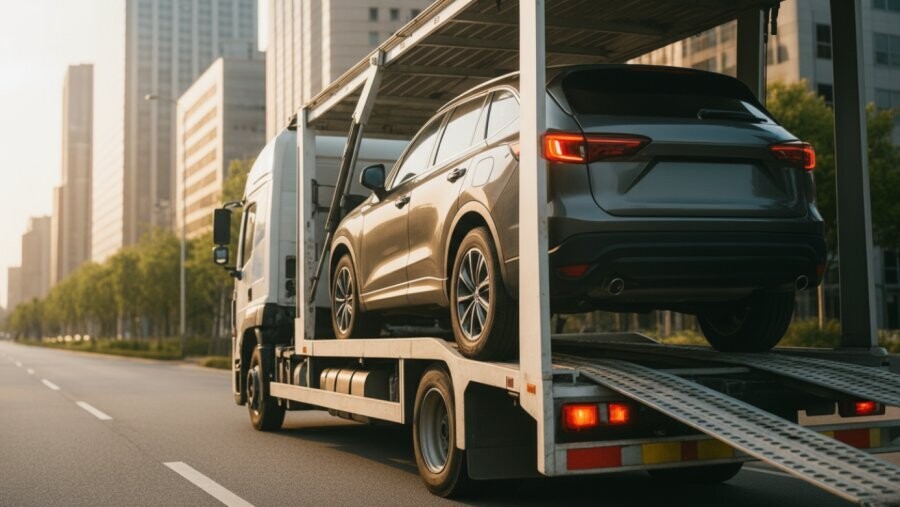
Can I Reduce Costs Without Compromising Safety? Yes. Open carriers are the industry standard, moving multiple vehicles at once. It’s safe for standard vehicles and widely available, making it the go-to choice for budget-conscious customers.
How Long Does Car Shipping Usually Take? Transit time depends on distance and route. Short hauls may take 1–3 days, while cross-country shipments often range from 7–10 days. Remote or rural areas, however, add complexity. Recognizing these elements is the first step toward setting realistic expectations.
In Summary: Moving a vehicle across states or even across the country isn’t simply about covering miles; it’s about understanding the layered variables that shape the final bill. Every shipment is shaped by its own mix of variables: distance, vehicle type, transport method, timing, and pickup or delivery location. These elements interact in ways that make each quote unique, so expecting a single fixed price often leads to disappointment. Flat-rate thinking creates unrealistic expectations and can cause frustration when the invoice doesn’t match the assumption. The smarter approach is to recognize how these factors combine, set a flexible budget, and prepare for adjustments.