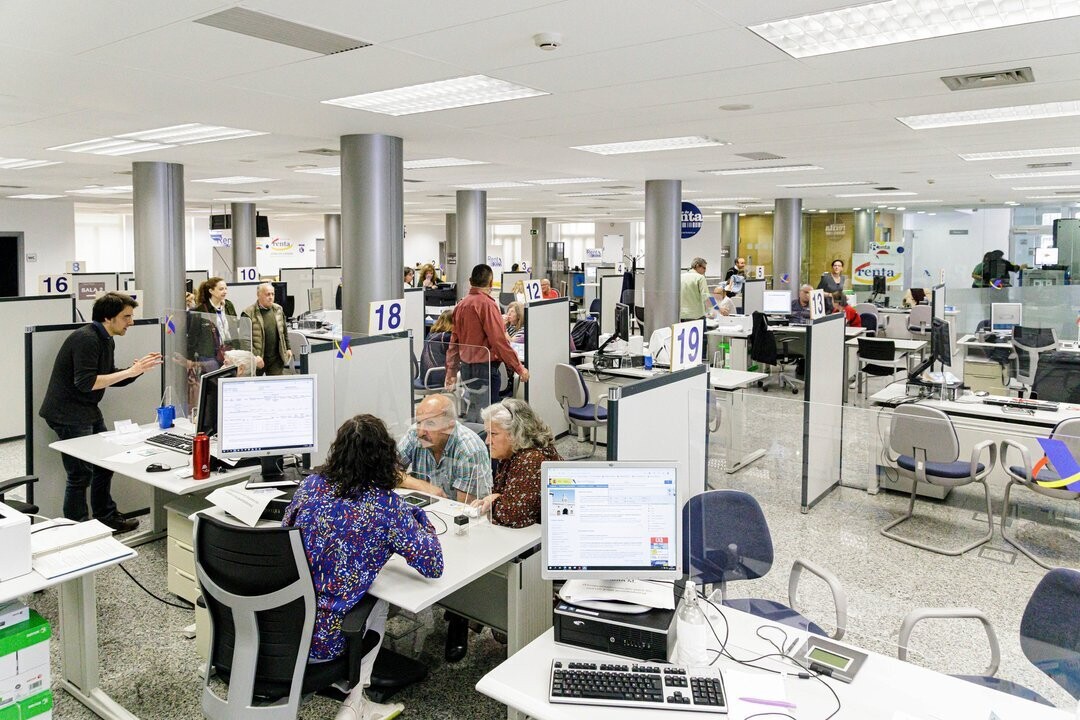
An increasing number of companies will require full-time in-office work: fewer remote roles available in corporate areas and restructuring driven by the race in artificial intelligence. Indeed, the North American tech sector is undergoing a rapid change that pressures a complete return to the offices. The largest corporations have already started to set the course with decisions that reorganize teams and accelerate the end of remote work. The progress of the mega-company Meta, with mass layoffs and a mandatory return to in-person work, solidifies a shift that could be replicated throughout the entire tech ecosystem. The goal is to increase the speed and quality of product development. Instagram maintains that physical presence streamlines decision-making, reduces meetings, and favors rapid prototypes over extensive documents.
A new world, online supply Latin America is at the opposite end of this shift, as many professionals collaborate with foreign companies, connecting with diverse cultures through a screen. Argentina continues to be ranked for the third consecutive year as the country in the region with the most workers hired by foreign companies, according to a Deel report, and is positioned within the top five globally in a ranking of 150 countries. Although 83% are currently working in the country's companies on a fully in-person basis, the results of an online survey conducted by Randstad among 4,051 people in Argentina, Chile, and Uruguay show that 51% of Argentines state that their ideal work model is the hybrid format, combining days in the office and working from home. When analyzing the ideal work format regionally, the hybrid format leads worker preferences. This is confirmed by 63% of Chileans, 60% of Uruguayans, and 51% of Argentines, who, if they could choose, would opt for a hybrid work scheme. However, in our country, the proportion of workers who would choose a full-time in-person format (41%) is considerably higher than in Chile (20%) and Uruguay (31%). Regarding the preference for full remote work, it is a minority in all three markets, reaching only 8% in Argentina and Uruguay, and 17% in Chile. When delving into the hybrid scheme that regional workers would prefer (if they could choose), 62% of Argentines would lean towards working 2 remote days and 3 in-person, a preference also shared by 55% of workers in Uruguay and 41% of workers in Chile.
The evolution data, both of worker preferences and the formats adopted by organizations, tell us that the trend towards full-time remote work is stabilizing in Argentina, while hybrid work is decreasing as part of a process in which, for various reasons, more people are returning to full-time in-person work in the office, concludes the Randstad report.