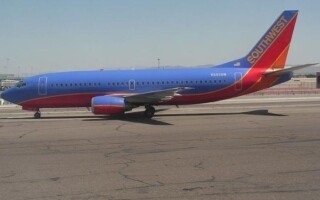
American airline Southwest Airlines has amended its policy for overweight passengers, sparking widespread controversy. According to the new rules, effective January 27, passengers who occupy more than one seat will be required to purchase an additional ticket in advance, which is non-refundable except in specific cases. The possibility of a refund will only remain if the flight departs with at least one empty seat, provided both seats are of the same fare class. Critics have deemed these conditions excessively complex and practically impossible to verify. The decision was met with sharp condemnation from the National Association to Advance Fat Acceptance, which described the amendments as 'catastrophic' for a category that already suffers from psychological and social pressures related to air travel. As reported by The New York Times, the association's executive director, Tigris Osborne, stated that this policy not only imposes an additional financial burden but also deepens the feeling of exclusion and fear of harassment in airports and airplanes. Osborne added that Southwest Airlines had for years been a preferred and safe option for larger-sized passengers, and that reversing this policy could open the door for other airlines to take similar steps. On the other hand, travel agent Casey Bivens expressed her disappointment with the decision, noting that requiring passengers to add between $300 and $400 to the cost of a flight may deter many from air travel altogether. In turn, a company spokesperson confirmed that passengers who previously benefited from the extra seat policy will be directly informed of the new changes, explaining that this amendment is part of a broader package of updates, including the cancellation of the open seating system that distinguished Southwest Airlines for many years, in an attempt to restructure the travel experience on board its aircraft.