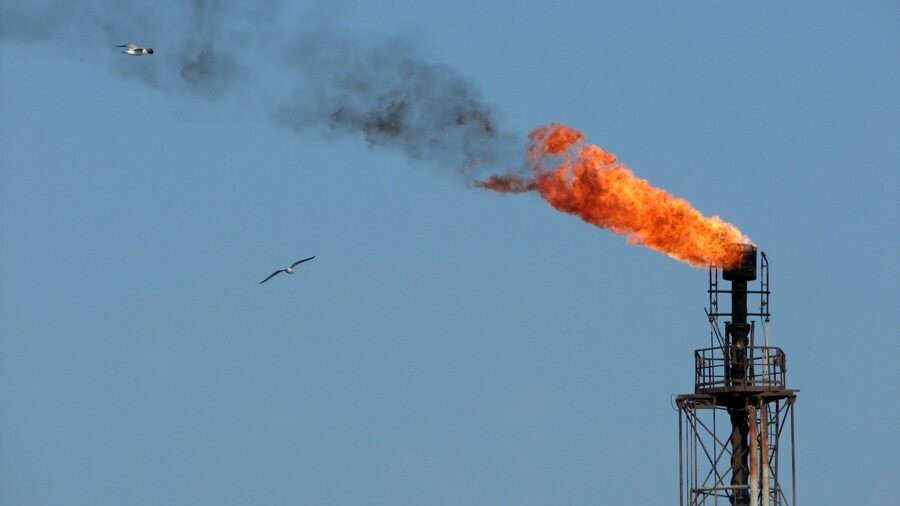
On Wednesday, Brent oil fell by 0.75% on the London futures market, trading between $80 and $81 a barrel, as fears of supply disruptions from the Persian Gulf eased. These fears had driven a 15% increase over the past two days.
European crude for May delivery fell 0.75% to $80.79 at 13:15 GMT, although it later moderated its decline and was trading at $81 before 14:00 GMT, compared to a close of $81.40 the previous day.
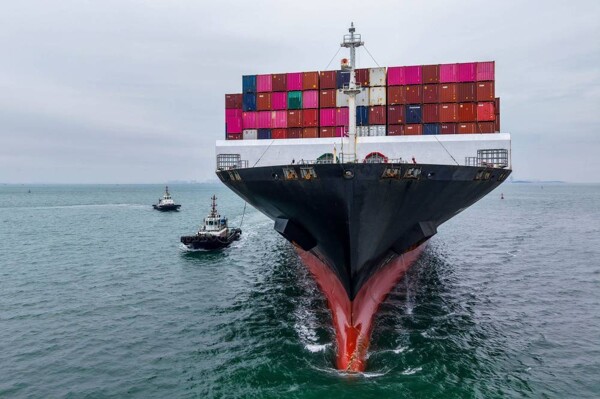
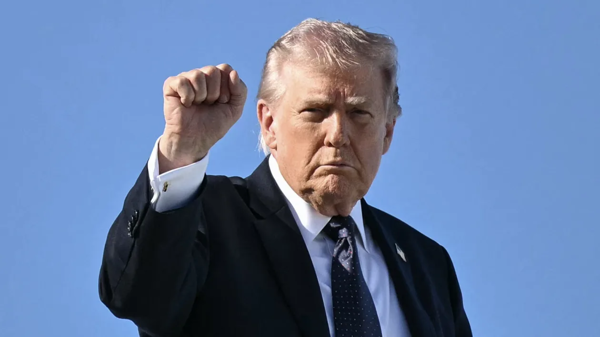
The market reacted positively to an announcement made on Tuesday by U.S. President Donald Trump, who stated that his government will offer political risk insurance "at a reasonable price" for shipping companies. In some cases, it will also provide military escort for maritime trade transiting the Strait of Hormuz, which has been threatened by Iran in response to attacks by the U.S. and Israel that began on Saturday.
"Whatever happens, the United States will guarantee the free flow of energy to the world," insisted the president, who faces key legislative elections in November with the main pledge of reducing fuel prices.
Hormuz is the only maritime passage connecting the Persian Gulf with the Gulf of Oman and the Indian Ocean, and through it flows 20% of the world's crude oil.
Following the start of the war by the U.S. and Israel on Saturday, Tehran responded with bombings throughout the Gulf and threatened to attack ships attempting to cross the strait, which raised concerns about hydrocarbon supplies from the region.
Although Brent had risen by 15% since the markets opened on Monday, analysts expect the price of oil to stabilize if the conflict is contained or does not persist, as they believe there is sufficient base supply to meet the expected demand.