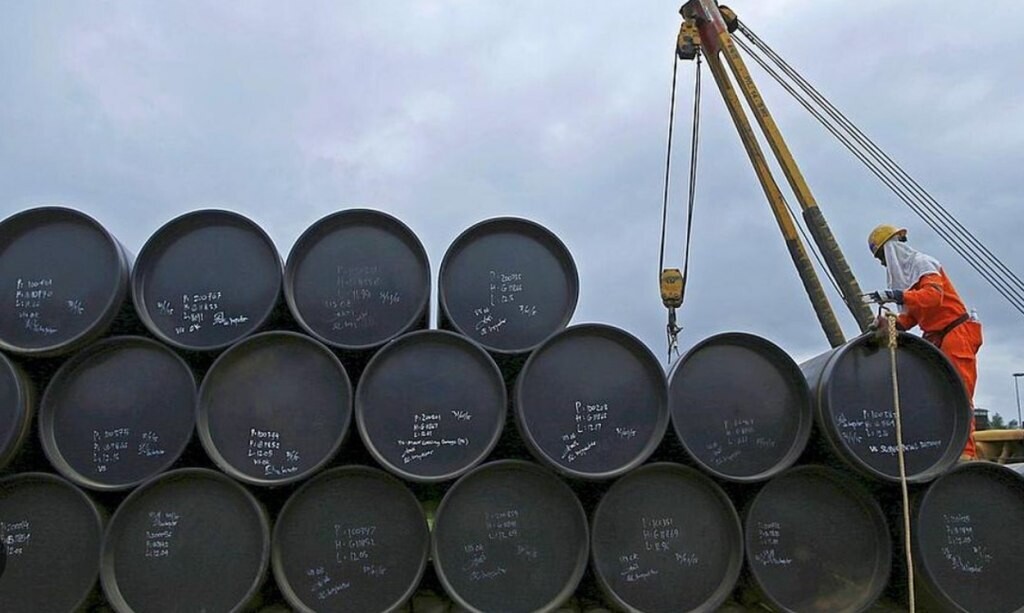
The conflict in the Middle East, which began with the bombing of Iran by Israel and the United States, but now involves more than ten countries, including major crude oil producers such as Qatar and Saudi Arabia, continues to affect oil prices. Since the conflict began a week ago, the price of oil has not stopped rising, at least its main indicators in the United States and the United Kingdom. The same thing happened this Friday, the last trading day of the stock exchanges. On the New York Stock Exchange, WTI (Texas oil) rose by 12.21% to reach a price of $90.90. Meanwhile, the UK's benchmark crude, Brent, also rose, this time by 6.40% and traded at $87.44 at the close of the session, reaching about 13 cents higher during the day. In both cases, it was the highest close of the week, so experts expect the conflict to continue to affect the price of black gold upward.