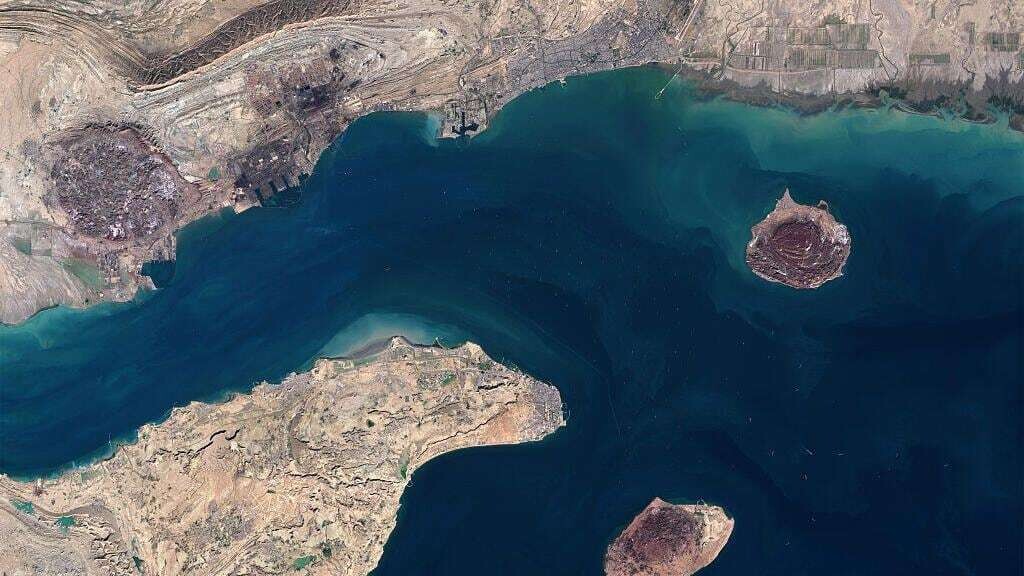
President Donald Trump gave Iran an ultimatum to reopen the Strait of Hormuz within 48 hours, threatening to bomb its power plants if the demand was not met. In response, Tehran warned it would attack all energy, technological, and desalination infrastructure belonging to the U.S. and Israel in the region. Following the threats, crude oil prices rose towards $113 per barrel, while West Texas Intermediate briefly surpassed $100. The price of Brent has surged by over 50% since the U.S. and Israel's attacks on Iran at the end of February. The International Energy Agency has warned that the global oil market is facing its biggest historical shock, even as it releases emergency strategic reserves. Trump's message was inconsistent with his earlier hints about reducing military intervention. Investors, already fatigued by extreme volatility, are waiting for tangible actions rather than just escalatory rhetoric. To contain energy prices, the U.S. temporarily allowed the sale of Iranian oil and petrochemicals already loaded onto vessels. However, with maritime traffic in Hormuz nearly halted, Persian Gulf oil producers have had to hold back millions of barrels daily or use limited alternative export routes. The conflict between the U.S., Israel, and Iran, which began at the end of February, shows no signs of de-escalation. Iranian officials show less willingness to negotiate, focusing on survival and responding with missile and drone strikes. U.S. Treasury Secretary Scott Bessent stated the attacks aim to destroy fortifications around the strait, threatening a wave of global inflation and financial market turbulence.