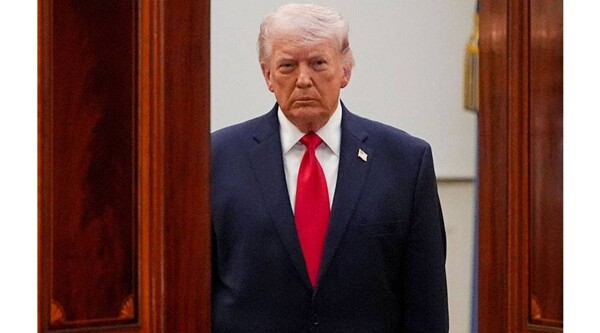
However, just four weeks after the outbreak of the conflict, this shield appears to be less robust than the White House had imagined. US President Donald Trump entered his war with Iran betting on the abundance of oil and gas in his country as a shield against a global energy shock. Trump's bet was not entirely wrong, but it did not hit the mark. It is true that oil prices in the US have risen at a slower pace compared to other markets since the US-Israeli strikes on February 28 ignited a regional war that quickly spread to the heart of the Middle East's energy infrastructure, leading to a partial disruption of the Strait of Hormuz — the artery through which nearly a fifth of global oil and gas flows pass. Brent crude jumped by approximately