In 2025, horror films are no longer just an entertainment medium for thrill-seekers but have evolved into a global cinematic phenomenon impacting the entire film industry, from production and distribution to audience reception and cultural trends. What distinguishes this year is the growing ability of horror films to blend excitement with social and political commentary, making them a subject of broad critical discussion at both local and international levels, and a powerful tool for understanding the psychological and social shifts of contemporary audiences.
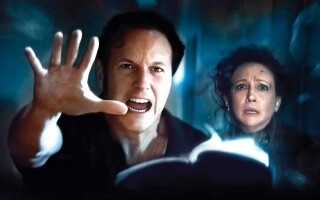
Horror films in 2025 achieved unprecedented record numbers, indicating a qualitative shift in their ability to attract a diverse global audience. For example, the film "The Conjuring Last Rites" grossed over $194 million worldwide in its opening weekend, with its total revenues exceeding $400 million, outperforming major action and drama films. Small or independent films are no longer just a limited experiment; many horror works have achieved significant commercial resonance through digital streaming platforms and social media, making them a phenomenon worthy of both critical and artistic study.
The primary reason for the global rise of horror films lies in their artistic and thematic renewal. These films no longer rely solely on traditional fear techniques like sound effects or gory scenes but have begun to employ horror to explore psychological and social issues. Films like "Sinners" addressed ethnic tensions, while other works used horror as a mirror for internal conflicts and societal upheavals, offering the audience a complete emotional and intellectual experience. This approach positions horror as a critical art form that interacts with reality, rather than just superficial entertainment.
Horror films have become a platform for addressing collective fears and social anxiety, clearly reflecting psychological disorders, class struggles, and cultural shifts, making them more than just entertainment films. Specialist critics have noted that this trend reflects the genre's ability to offer a contemporary interpretation of the human experience, where audiences can confront their symbolic fears in a relatively safe environment, while critics pick up on subtle social and political signals.
The digital revolution has enhanced the global spread of this phenomenon. Streaming platforms like Netflix and Amazon Prime have added a global dimension to horror films, allowing a worldwide audience to access works that could not be widely marketed before. Social media marketing campaigns and direct audience interaction have turned some films into cultural events in their own right, similar to what historically happened with films like "The Rocky Horror Picture Show," where viewers became partners in the cinematic experience.
One of the distinctive features of 2025 is that the rise of horror films was not without critical debate. Critics debate whether this phenomenon is merely a commercial exploitation of fear or an artistic trend reflecting cultural changes. This is where the critical depth lies: today's horror films challenge traditional notions of the genre, posing questions about the boundaries between art and entertainment, reality and symbolism, making them fertile ground for critical and intellectual inquiry.
It can be said that 2025 witnessed a true maturation of the horror genre, establishing it as an influential force in the global film industry, combining commercial success, artistic innovation, and cultural and social impact. This phenomenon proves that horror is not just a means of entertainment but a tool for psychological and social analysis that reflects human fears and tensions and redefines the relationship between the audience and the film.
The film "The Conjuring Last Rites" grossed over $194 million worldwide in its opening weekend, with its total revenues exceeding $400 million.