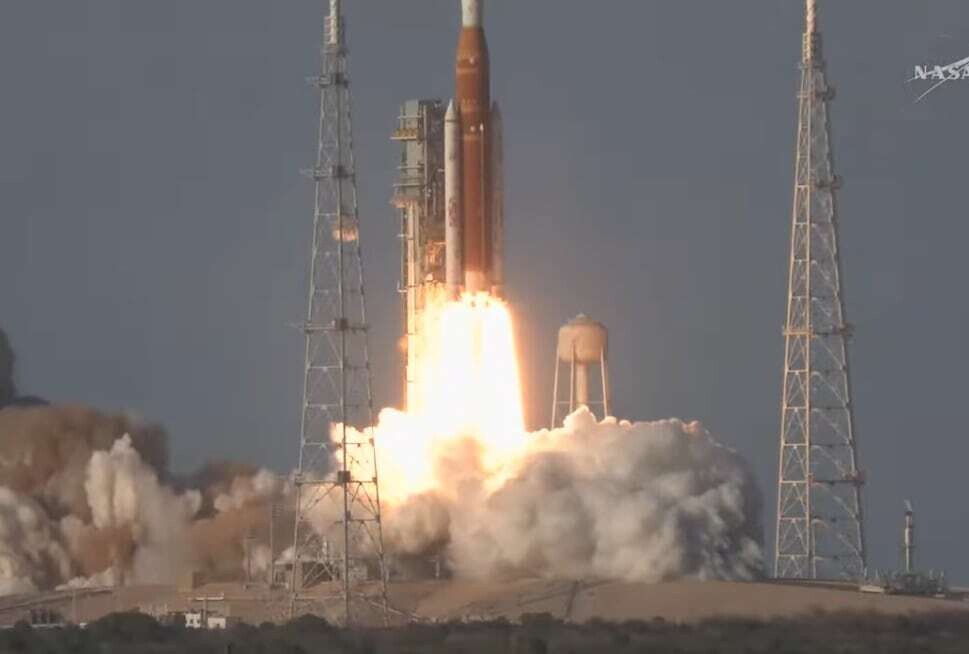
During the early stages of their journey to the Moon, the crew of the Artemis II mission faced their first technical challenge outside of Earth's atmosphere. Astronauts Reid Wiseman, Victor Glover, Christina Koch, and Jeremy Hansen reported a mechanical failure in the Universal Waste Management System (UWMS), a high-tech toilet designed to operate in microgravity conditions. The incident occurred as the Orion spacecraft was performing the necessary maneuvers to leave Earth's orbit. According to reports, the system malfunction triggered an immediate alert at the mission control center in Houston due to the biological and operational risks that such a breakdown poses in a confined space of just nine cubic meters. The crew worked in coordination with engineers on the ground to diagnose the source of the defect. As reported, the astronauts used specialized toolkits to intervene in the piping and fan systems that facilitate waste suction. After several hours of technical review, the team managed to restore the airflow and functionality of the toilet, preventing the issue from escalating into a situation that would compromise the integrity of the capsule's electronic systems. France 24 confirmed that following the successful repairs, the mission continues on its scheduled course without major delays. NASA classified the event as a minor inconvenience, highlighting the astronauts' preparedness to resolve mechanical crises without physical external assistance. The importance of this component is fundamental for long-duration missions. As explained by the DW channel, space waste management systems rely on complex suction mechanisms to compensate for the absence of gravity. A prolonged malfunction would force the crew to resort to less hygienic emergency protocols, which would affect the morale and health of the travelers on a mission lasting approximately ten days.