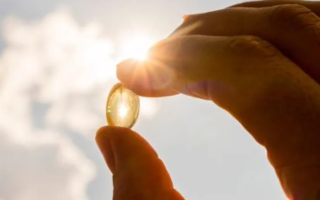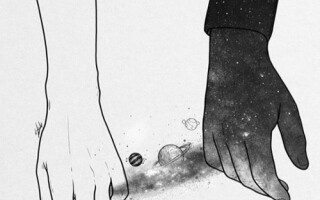
Psychologists confirm that the tendency of many to isolate and withdraw after a breakup often has the opposite effect on the recovery process. But what happens to your body when you experience a broken heart? How does emotional separation affect the body, as revealed by science? Your brain handles the pain of a breakup as if it were a physical injury. 'Endorphins' can be considered 'the brain's natural medicine for easing the pain of a breakup.' Endorphins are neurotransmitters and peptides (short chains of amino acids) produced by the pituitary gland and the nervous system, acting as a painkiller or 'natural morphine' to relieve pain, reduce stress, and improve mood. These natural chemicals work as the brain's defense mechanism against physical and psychological distress by targeting specific opioid receptors responsible for pain, pleasure, and calmness, as explained by Yovel. The painful feeling in your chest is no illusion. Yovel explained: 'One of the most important findings in neuroscience related to love is that the brain mechanisms responsible for physical pain and psychological pain are highly intertwined.' According to a study using functional magnetic resonance imaging (fMRI), the same brain regions responsible for physical pain are activated during psychological distress, such as feeling socially isolated or lonely. Yovel added that when someone we love leaves or does not reciprocate our feelings, the brain reacts in ways very similar to a physical injury. In rare cases, the pain of a breakup can lead to 'broken heart syndrome,' also known as 'takotsubo cardiomyopathy,' a temporary heart condition that mimics the symptoms of a heart attack. It is often described as a feeling of suffocation, a lump in the stomach, or even difficulty sleeping. Dr. Yoram Yovel, a psychiatrist and neuroscientist, told the American CNN network: 'Ask anyone you know about the most painful thing they've been through in their life. They won't tell you about a car accident or a surgical operation, but they will tell you about losing a dear person.' However, according to Yovel, the pain of a breakup does not last forever. He adds: 'One of the most important things that helps in recovery is reconnecting with those you love.' But the pain of a breakup can also stem from the cooling of friendships or the death of a loved one. For many, this pain is not limited to the emotional side but can also manifest in physical forms. The pain of a breakup is an experience that most people go through at some point in their lives. Your brain has a mechanism to alleviate the pain of a breakup, and that is 'endorphins.' Studies indicate that more than 80% of people suffer from the pain of a breakup due to an emotional separation.