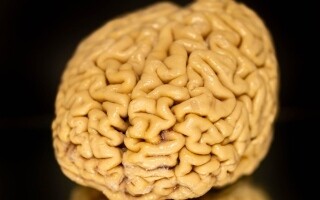
A recent study has revealed a scientific surprise: the brains of older people with sharp memory contain new neurons that outnumber those in people in their thirties. Research from Northwestern University shows that seniors over eighty with a keen memory possess a 'unique cellular environment' in the hippocampus area. Surprisingly, there are large, healthy neurons in the cingulate cortex that exceed in size and structural strength those of people in their thirties. Despite a possible genetic advantage, experts like Dr. Richard Isaacson emphasize that lifestyle is the 'solid engine' of prevention. Behind the laboratory tests, it was found that the 'cingulate cortex', responsible for attention, is thicker in these 'super-agers', and their hippocampus contains three times less of the destructive tau protein tangles. This cellular cooperation enhances signals between neural synapses and creates a rich environment that nourishes immature cells, giving these seniors 'structural resilience' that allows their brains to fiercely resist cognitive decline. Physical exercise, good sleep, and stress reduction appear in MRI scans as factors that develop the hippocampal area and reduce amyloid plaques, proving that the 'birth' of new neurons is possible even in the twilight years. Using 'multi-omics sequencing' technology, scientists identified astrocytes and 'CA1' neurons as leaders in the memory support system. Can the brain defeat time?