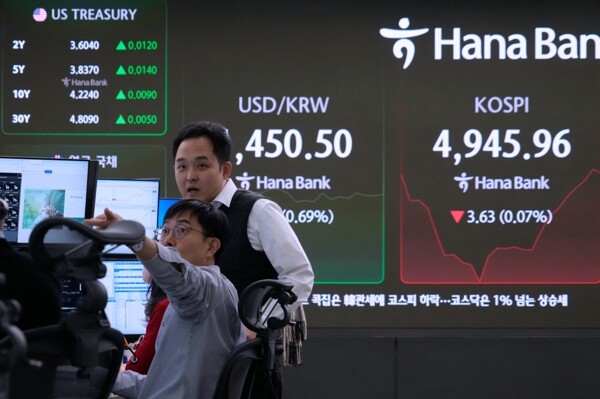
The U.S. government shutdown has reached its 36th day, surpassing the previous record of 35 days set during the 2018-2019 shutdown, as the growing partisan gridlock shows no signs of a solution. A short-term funding bill proposed by Republicans, after passing the House of Representatives, failed for the fourteenth time in the Senate, lacking the 60 votes needed for approval.
Meanwhile, leaders in both the House and Senate continue to blame each other, with no indication of reaching an agreement. Democrats have accused Trump of "instrumentalizing hunger," while Republicans point to the Democrats' stance on healthcare spending as the cause of the impasse. Both parties remain entrenched, reluctant to concede for fear of appearing inconsistent or weak.
As the political stalemate continues, the unprecedented shutdown's impact is spreading, severely affecting daily life, including air safety and food assistance programs. The Supplemental Nutrition Assistance Program (SNAP), which benefits 42 million Americans, mostly living below the poverty line, has been affected. About 1.4 million federal employees are still unpaid, with some forced to line up for free food aid, potentially reducing consumer spending.
Federal Reserve Chairman Jerome Powell recently stated it is unclear if the shutdown and the lack of crucial economic data will affect the December interest rate decision. The delay in publishing key economic data has increased economic uncertainty. A six-week shutdown would cost the economy $11 billion, and an eight-week shutdown would cost $14 billion.
Transportation Secretary Sean Duffy warned on Tuesday of the risk of mass flight cancellations if air traffic controllers do not receive their full second paycheck next week. Around 13,000 air traffic controllers and 50,000 airport security workers are forced to work without pay across the country. The Federal Aviation Administration (FAA) will reduce air traffic by 10% at 40 airports starting Friday. "We are not going to wait for a safety problem to fully manifest when the first indicators tell us we can act today to prevent the situation from getting worse," Duffy said.