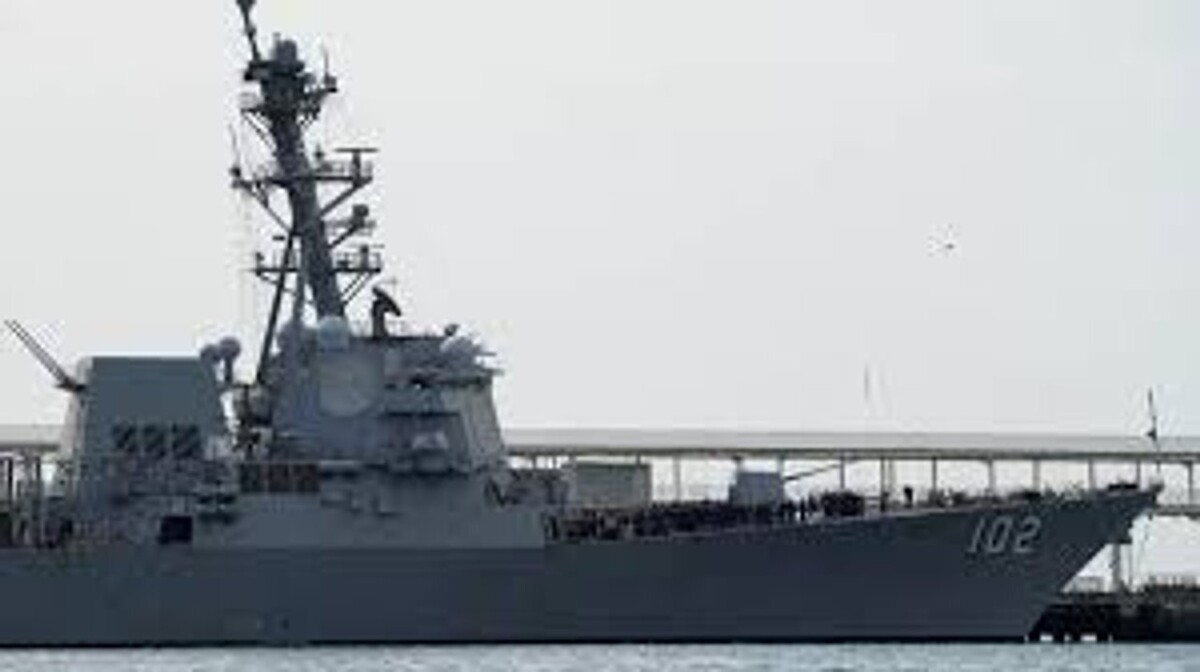
Although Trump publicly emphasizes Venezuela's role in drug trafficking or illegal migration when addressing the topic, in private he has spoken about the country's vast oil reserves and the possibility for American companies to access them, the article notes. The U.S. strategy towards Venezuela is reflected in its maritime deployment in the Caribbean and the Pacific, where it has carried out at least 21 attacks on vessels suspected of drug trafficking, destroying 22 boats with an estimated death toll of over 80 people. "Trump approved CIA plans for covert measures within Venezuela, operations that could be aimed at preparing the battlefield for new actions," various sources told the New York newspaper, without specifying what these measures would entail or when they might be carried out. However, the Republican president, the article continues, has not yet authorized the presence of combat forces on the ground in Venezuela. Therefore, the next phase of the campaign of increasing pressure on the Chávez government could be sabotage or some form of cyber, psychological, or information warfare. The tension caused by the American attacks in the Caribbean and the eastern Pacific led to these contacts. Last week, Trump held several conversations at the White House with the top authorities of the Pentagon. They presented him with several options for the continuation of actions led by the Southern Command in the Caribbean, near the Venezuelan coast. The New York Times assures that, although Trump's future actions towards Venezuela are not clear, they could continue to include covert operations without authorizing ground combat, and prioritize psychological or attrition strategies, as well as cyber or information operations. The publication adds that officials close to the White House know that the CIA has located various facilities allegedly related to drug trafficking. These could be the next targets to be attacked under a presidential order. Buenos Aires, November 19 (NA) – The U.S. president, Donald Trump, would have rejected a proposal from the Venezuelan president to resign after a two-year period. The information comes from an investigation by The New York Times, which invokes unofficial negotiations with Maduro, authorized by the White House. According to revelations made by officials accessed by Noticias Argentinas, the White House considered it unacceptable that Maduro's departure from power be postponed. This was in response to the offer conveyed by emissaries from the Miraflores Palace to the Trump Administration to address a transition process of two to three years, with the objective of guaranteeing an orderly resignation. During the informal conversations, Maduro allegedly signaled his willingness to allow access to Venezuela's oil wealth for American energy companies. The sources assured the newspaper that Trump authorized a new round of negotiations through indirect channels that, at one point, led to Maduro's offer to resign after an extension of a couple of years. The 'behind closed doors' negotiations show that 'a diplomatic solution is still possible'.