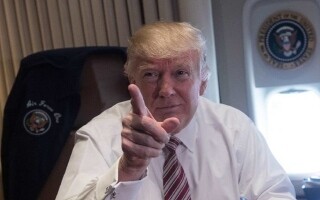
The combination of sanctions, deployments, and diplomacy shapes the political landscape in Venezuela and the power configuration in Caracas. Ultimately, the United States has deployed a range of tools—military, diplomatic, and legal—to move towards a possible regime change in Venezuela or at least a reform of the Venezuelan status quo. In parallel, diplomatic negotiations will depend on the degree of acceptance by the Venezuelan regime, which has so far used the situation to seek legitimacy through energy agreements with U.S. firms. For the Latin American region, this new phase represents a challenge. This duality reflects a mix of military coercion and diplomatic search that marks a new moment in U.S. foreign policy towards Latin America. According to sources informed on the matter, Trump authorized the CIA to take “additional measures” within Venezuela that could lay the groundwork for a broader military action. While the diplomatic option remains open, the phase of pressure has intensified and has become palpable for Caracas and the region. The outcome will depend on how Maduro, the Venezuelan military leadership, and internal political forces react to the dual path that Washington has opened. A shift in U.S. foreign policy towards Latin America is underway, and Venezuela is today at the epicenter of that strategy. Washington, November 19, 2025 – Total News Agency-TNA – The Government of the United States, under the presidency of Donald Trump, has unleashed a dual strategy towards Venezuela: on one hand, a wide military deployment in the Caribbean Sea and the approval of covert operations by the CIA to act within Venezuelan territory; on the other, the reactivation of indirect negotiations with the regime of Nicolás Maduro, which in return would have offered a gradual exit from power in exchange for maintaining access to the national oil. Second, financial and legal pressure: the designation of Venezuelan cartels as terrorist organizations expands the margins of action without the need for a formal declaration of war. However, in parallel, informal diplomatic channels remain active: according to the same informants, Maduro would have proposed a eventual resignation after one or two years in exchange for guarantees over oil control, a proposal that Washington would have rejected as insufficient to avoid a forced change scenario. The U.S. strategy is divided into three axes: first, operational deployment: reports indicate that the U.S. maintains warships, drones, stealth fighters, and personnel in Puerto Rico and other Caribbean bases ready for rapid action. These operations officially aim to primarily disrupt drug trafficking and dismantle narcotic networks, but analysts warn they also constitute direct pressure on the Venezuelan regime. In this context, the Venezuelan government has reacted with energetic announcements of mobilizing the popular militia and declaring “maximum readiness” for what it considers a threat of intervention. Second, financial and legal pressure: the designation of Venezuelan cartels as terrorist organizations allows for expanding the scope of action without the need for a formal declaration of war. Third, parallel diplomacy: without ceasing to publicly emphasize the threat of the “narco-state” Venezuela, Washington seeks a negotiated exit that avoids an open conflict, but whose outcome is still uncertain. The risks are multiple. In parallel, the deployment of the aircraft carrier USS Gerald R. Ford in Caribbean waters, accompanied by thousands of naval and marine personnel, constitutes the largest concentration of U.S. forces in the region since the Cuban Missile Crisis. At the same time, U.S. policy incorporates the component of “hemispheric security” through the fight against drug trafficking as a justification for its military presence. Neighboring countries have expressed concern about the possibility of unilateral interventions and the displacement of regional hegemony.