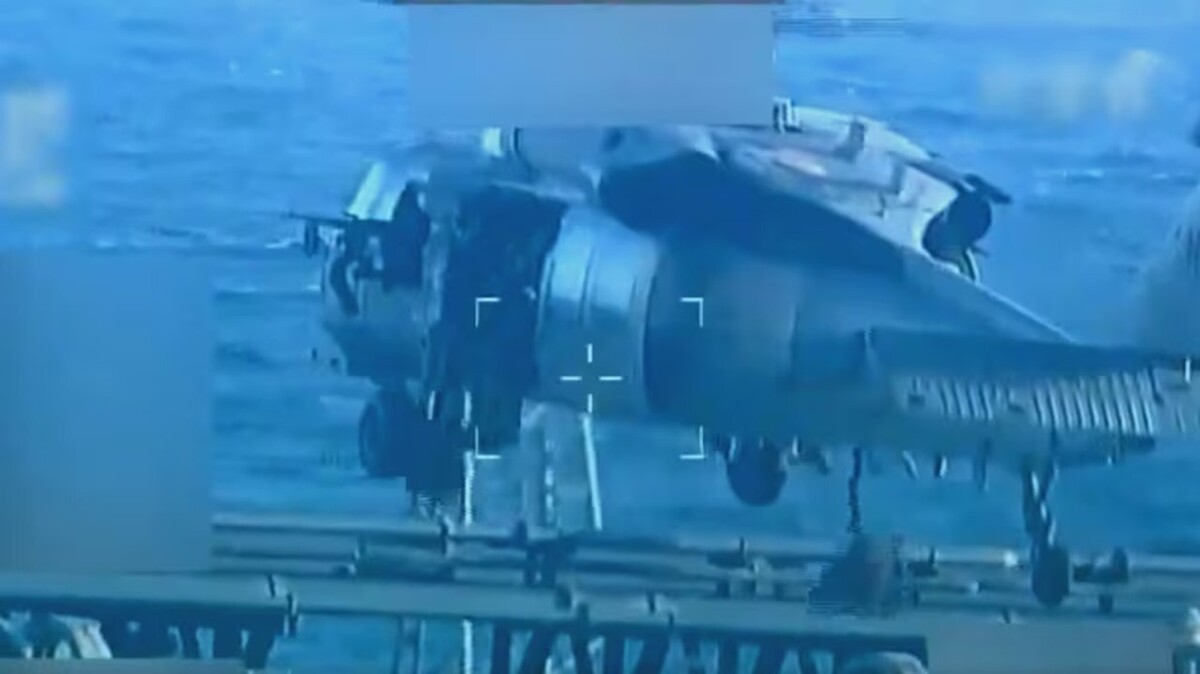
In the latest hours, U.S. naval forces have executed the seizure of a second oil tanker linked to Venezuelan crude exports. This action constitutes the immediate materialization of President Donald Trump's executive order, who recently declared a "total and complete blockade" against sanctioned vessels operating in the region, as reported by the Argentine News Agency. This event occurs just ten days after the capture of the 'Skipper' vessel and represents a significant escalation in Washington's 'maximum pressure' strategy against the administrations of Caracas and Tehran. Throughout December 2025, the U.S. administration has significantly intensified its pressure on Venezuela and Iran through the strict enforcement of sanctions in international waters. We are witnessing a hybridization of foreign policy where criminal justice tools (seizure orders) are used to achieve high-level geopolitical objectives (regime change or economic collapse of adversaries). It is predictable that in the coming days, there will be an increase in oil price volatility due to uncertainty in supply from Venezuela; diplomatic rhetoric between Caracas, Tehran, and Washington will intensify, and the 'ghost fleet' of vessels will seek new routes or more sophisticated concealment methods, raising the risk of incidents at sea. 'This strategy was recently formalized with the declaration of President Donald Trump ordering a 'total and complete' blockade of sanctioned oil tankers entering or leaving Venezuela. This turn in foreign policy seeks to cut the flow of income that, according to Washington, finances organizations designated as terrorist groups and sustains adversarial regimes. Approximately 1.85 million barrels of crude were confiscated. The U.S. government bases these actions on federal court orders and anti-terrorist laws, arguing that the proceeds from these cargoes support radical groups.' Today's seizure confirms that the announced 'blockade' is not just rhetoric but an active naval campaign. The Caribbean region has seen an unprecedented U.S. naval deployment in decades, acting under combined authorities for drug trafficking and anti-terrorist sanction enforcement. Although the specific details of today's vessel (exact name and flag) remain under preliminary operational reserve, official sources confirmed to international agencies that the U.S. Coast Guard (USCG) led the interdiction. It is estimated that the vessel was carrying a substantial cargo of crude, intended for illegal export to evade sanctions. As in previous operations, maritime assault forces (possibly tactical teams from the USCG or Navy) were used to secure control of the vessel at sea. To understand the magnitude of today's event, it is crucial to analyze the seizure of the 'Skipper' vessel (previously known as Adisa) which occurred just ten days ago. U.S. authorities alleged that the vessel was part of a 'shadow fleet' used by the Islamic Revolutionary Guard Corps (IRGC) of Iran and Hezbollah to trade Venezuelan oil. It was a complex operation involving helicopters and fast-roping techniques from the USS Gerald R. Ford aircraft carrier. This case established the current legal and operational framework: The U.S. Department of Justice.