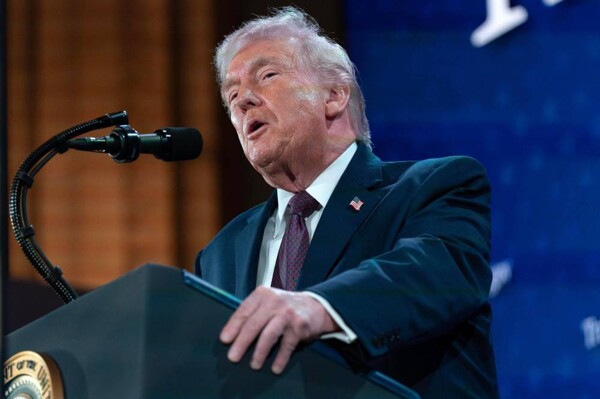
Buenos Aires, January 26 (NA) -- In a head-on collision that shakes the foundations of global public health, the Director-General of the World Health Organization (WHO), Tedros Adhanom Ghebreyesus, called the reasons cited by the government of Donald Trump to withdraw the United States from the organization "false." Through a statement on the X platform, the head of the WHO warned that the executive order signed by the U.S. leader last Tuesday not only weakens international cooperation but will leave the United States and the rest of the world "in a position of greater insecurity" against future health threats.
The End of an Era in Health Cooperation Trump's decision represents the definitive break with the UN agency, which he has systematically criticized since his first term, accusing it of "mismanagement" and of being aligned with the interests of China.
The Executive Order: The decree signed this week initiates the formal withdrawal process, which implies the cessation of U.S. funding, which has historically been the largest individual contribution to the organization (around 400 million dollars annually).
Tedros's Claim: The Director-General insisted that the accusations of lack of transparency are unfounded and that the exit of the world's leading power occurs at a critical moment of technological transition and viral challenges.
An Open Door: Despite the harshness of his words, Tedros expressed his hope that Washington will "return to its active participation" in the future, acknowledging the historical leadership of U.S. scientists in the fight against diseases like Ebola and HIV.
The Context of the "Counter-Enlightenment International" This measure adds to Trump's recent decision to withdraw his country from 66 international organizations, a strategy that Argentine President Javier Milei has praised as part of the "new golden age" for sovereign nations.
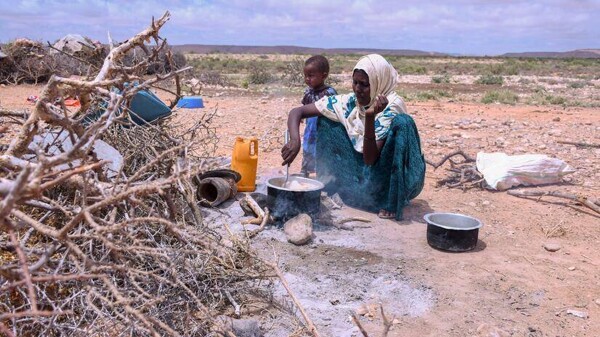
In Europe, the news was received with concern: from Geneva, EU diplomats are already analyzing how to cover the financial deficit to prevent the collapse of critical programs in Africa and Southeast Asia.