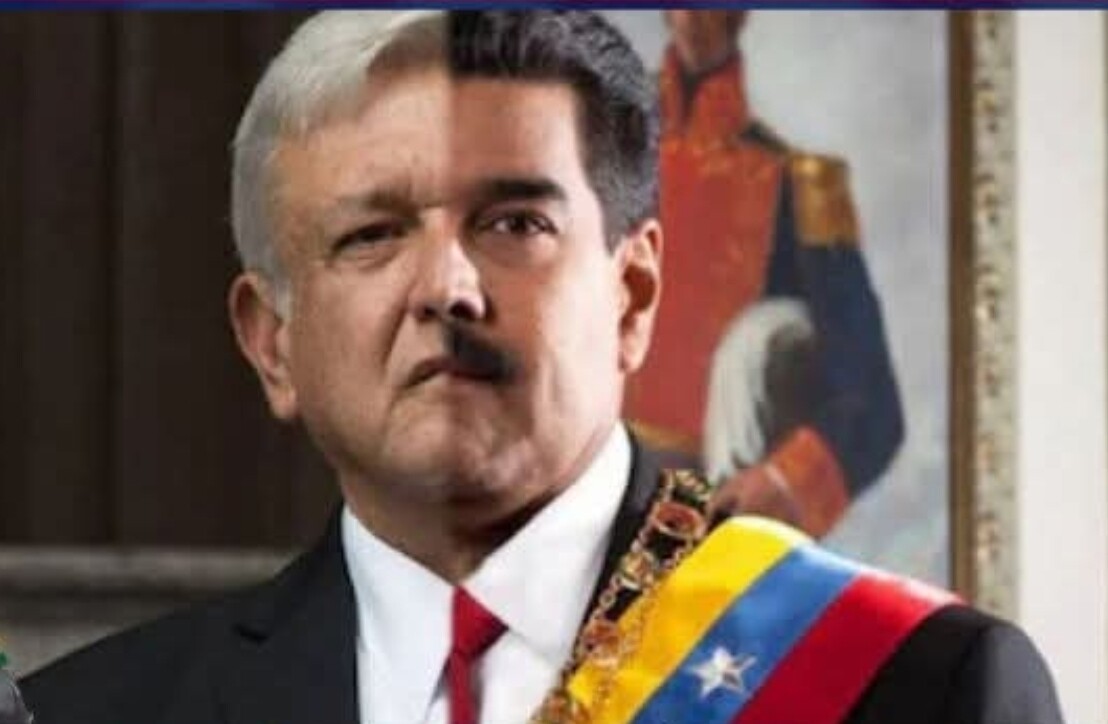
The next hearing was set for March 17, a date that appears to be a procedural turning point, although key details about evidence, witness lists, or potential summonses have not yet been made public. The role of the prosecution and the political background. The prosecution is led by the U.S. Attorney's Office for the Southern District of New York (SDNY), headed by , with a history of high-profile investigations. In this circuit, businesspeople like , sanctioned by the U.S. Department of the Treasury in 2020, and central figures of chavism like and have been investigated. These cases provide context for the corrupt economic network surrounding the Venezuelan government and suggest criminal links with other regional political leaders. Defense and legal strategy. Maduro's defense is led by American lawyers and . Politically, the case is unfolding under the U.S. administration that has as Secretary of State , one of the most critical leaders of the governments of Venezuela, Cuba, and Nicaragua, and a staunch questioner of the security policy of former Mexican President . Rubio has repeatedly accused López Obrador of adopting a permissive strategy towards drug cartels and maintaining political affinity with authoritarian regimes in the region. The judicial case against the Venezuelan president has become one of the most sensitive cases in the U.S. judicial system, not only due to the severity of the charges—narcoterrorism, money laundering, and sanctions evasion—but also for the political implications the case has for Latin America. The court is presided over by Judge , a magistrate with extensive experience in complex cases in the Southern District of New York (SDNY), a jurisdiction particularly active in investigations related to organized crime, transnational corruption, and financial crimes. There are many versions linking the former Mexican president and his inner circle to the charges being investigated in the case against Maduro. Why names from other countries appear. The case against Maduro is not limited to events that occurred in Venezuela. Undoubtedly, the prosecution will aim to provide decisive evidence in its possession. Therefore, the case requires close attention: distinguishing between what is proven in the file, what is procedural strategy, and what belongs to the realm of political speculation will be key to understanding its true regional scope. A central part of the accusation relies on international financing, trade, and sanctions evasion schemes, which expands the focus to businessmen, intermediaries, and operations in third countries. In this context, the investigations into the CLAP program, created by chavism for the distribution of subsidized food and which, according to multiple journalistic and judicial reports, gave rise to import and commercial triangulation networks in different parts of the world, are included. Companies and operators from Mexico, Panama, and Turkey have been mentioned in previous investigations, which explains why the name of that country appears recurrently associated with the case. Pollack is known for his role in the judicial agreement with the founder of WikiLeaks, , and his strategy aims to question the solidity of the accusation and expose possible political motivations behind the case. In this context, both the prosecution and the defense may try to incorporate testimonies or references to international actors to strengthen their arguments, although—so far—there is no public confirmation of formal summonses to foreign leaders or former Latin American heads of state, which could happen. An open and evolving case. The case against Nicolás Maduro is advancing on terrain where the judicial and geopolitical overlap. The governments of Cristina Kirchner and Alberto Fernández also had dark economic ties with Chávez and Maduro, and it is possible that they will emerge in the debate. The 'oil for food' precedent. Another relevant line of the file is the scheme for the commercialization of Venezuelan oil to circumvent U.S. sanctions, informally known as 'oil for food'. The March 17 hearing is a relevant milestone, but it does not necessarily imply immediate revelations or fundamental definitions.