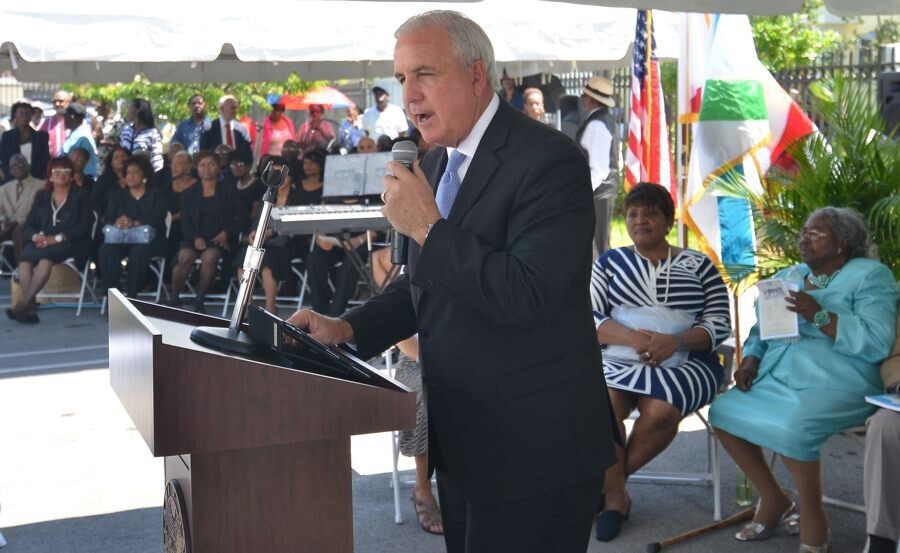
U.S. Congressman Carlos Giménez, a Republican from Florida, demanded in letters this Thursday that Delta, American Airlines, and other airlines suspend all their flights to Cuba amid growing pressure from the Donald Trump administration on the island following the operation in Venezuela.
«Persistent commercial flights to Cuba directly benefit the regime, not the Cuban people, and contradict U.S. law and decades of bipartisan policy designed to deny resources and legitimacy to the dictatorship,» stated the lawmaker, born in Havana and representing a district in Miami.
Giménez, chairman of the House Subcommittee on Transportation and Maritime Security, warned in his letters to the airline executives that allowing commercial flights «to a regime that is openly hostile to the United States poses serious risks to national security and public safety».
In doing so, the federal representative, one of the harshest critics of the Cuban government, escalated his demands after announcing last week that he would ask President Trump to ban all travel and remittances to the island.
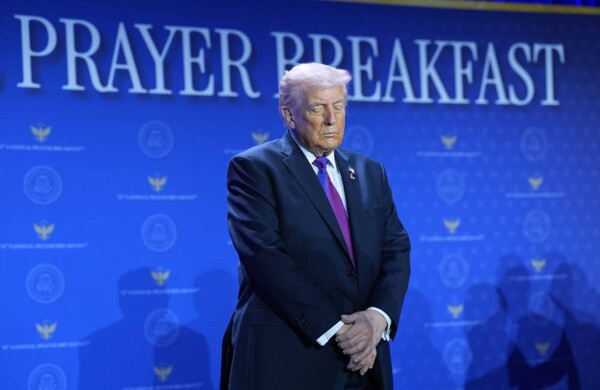
In the letters, Giménez warned the airlines that Trump declared a «national emergency» last week due to «the threat» posed by Cuba by imposing tariffs on countries that supply oil to the island, which Washington also considers a «state sponsor of terrorism».
«Continuing such air operations risks legitimizing and financially sustaining a government that represses its citizens, threatens regional stability, and acts in direct opposition to U.S. security interests,» the lawmaker insisted.
While the congressman revealed the letters, Cuban President Miguel Díaz-Canel stated this Thursday in a televised message that the island «is willing to dialogue with the United States» on «any topic» to build «a civilized relationship between neighbors» and «mutual benefit».
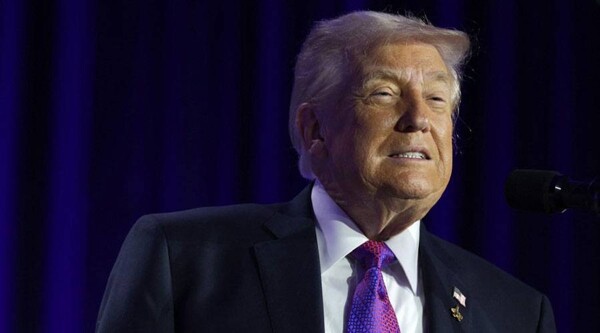
Trump warned on Wednesday that «Cuba is in big trouble» in an interview with NBC, in which he also stated that his administration «is talking to Cuba».
Expectations for Cuba's future have grown following the U.S. intervention in Caracas that led to the capture of President Nicolás Maduro on January 3.