This Sunday marks one month of the U.S. oil siege on Cuba, with a humanitarian crisis inexorably brewing on the island, absolute uncertainty, contradictory political signals, and a growing rumor of bilateral contacts behind the scenes.
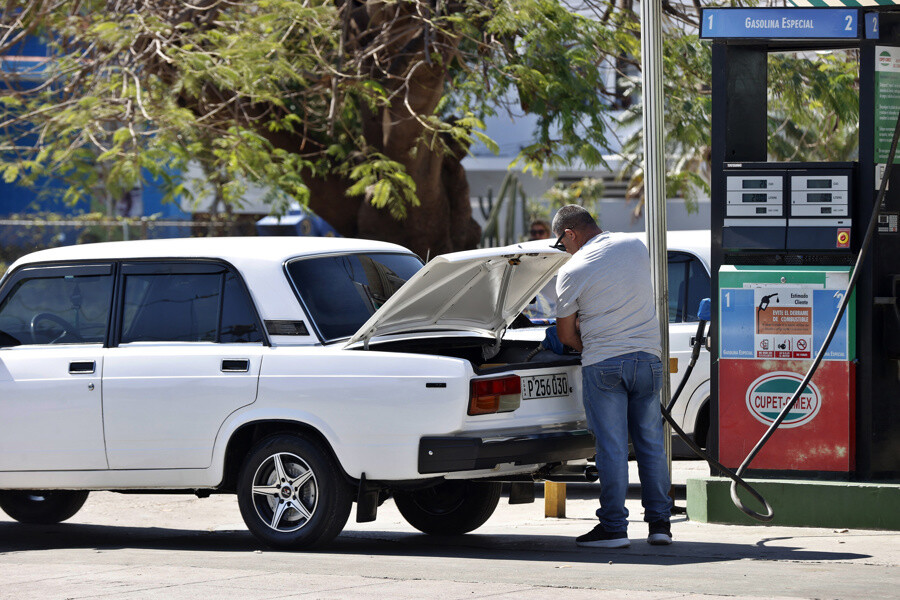
Gas stations are empty. Since then, only one tanker from abroad has arrived at Cuban ports. In this situation, several countries have begun sending humanitarian aid to the island, led by Mexico, which delivered its second shipment of 1,200 tons of food to Havana on Saturday. According to sources, the first isotanks with diesel from abroad—mainly from Miami (USA), but also from Mexico and Colombia—have already arrived on the island or are on their way, imported by small private Cuban-capital companies.
In this context, the Cuban Border Guard Troop killed four people last Wednesday who had entered the island's territorial waters in a speedboat and opened fire on officers when they were stopped for identification. According to Cuban authorities, the vessel, registered in Florida (USA) and carrying ten Cuban-Americans (the other six were injured in the exchange of fire), was found to contain 14 assault rifles, 11 pistols, and nearly 13,000 bullets, as well as other military equipment.
"The impact is systemic," stated Cuban expert Jorge Piñón, from the University of Texas Energy Institute. He explained to EFE that if more oil does not enter Cuba, the island would deplete its strategic reserves this very March and enter a "grave crisis."
Despite the potentially destabilizing nature of the incident, the U.S. administration has responded with moderation and has indicated its desire to independently clarify the incident, a point highlighted by several international analysts. The past weeks have also been marked by exclusive reports in U.S. media outlets Axios and Miami Herald about contacts between Rubio and a grandson of former Cuban President Raúl Castro, Raúl Guillermo Rodríguez Castro. These reports speak of contacts, not negotiations, conversations about the future, possible gradual economic reforms on the island, and a phased withdrawal of sanctions.
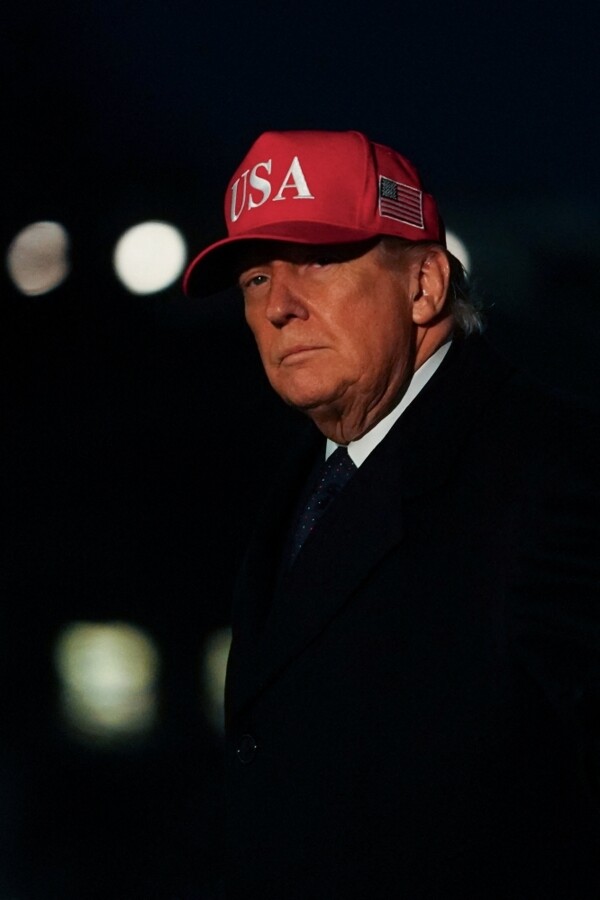
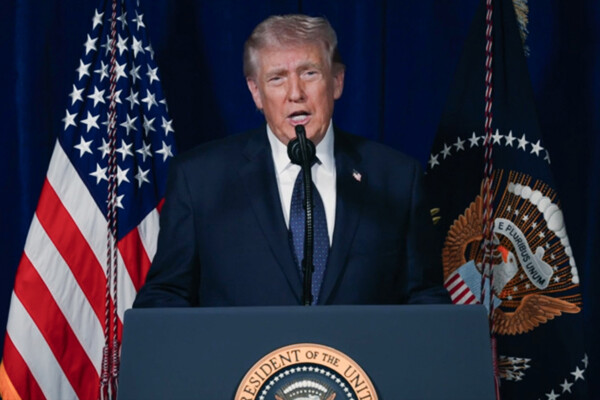
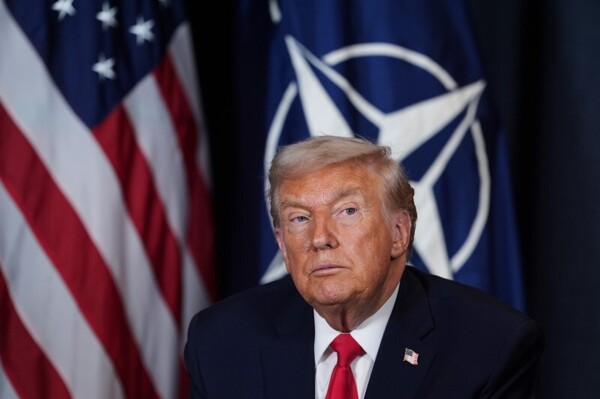
This would confirm the repeated statements of U.S. President Donald Trump about negotiations with the island's authorities, although the Cuban government has never confirmed the contacts (and has denied them on several occasions). Several analysts consulted by EFE lean towards the veracity of these contacts, although others doubt that this grandson of Raúl Castro, in charge of his grandfather's personal security, would be authorized to represent the Cuban government despite holding no institutional position.
However, the possibility of contacts does not necessarily mean that the U.S. and Cuba will launch a formal negotiation table and reach an agreement to ease Washington's pressure. It does not even completely rule out the military option against the island, as demonstrated by the cases of Venezuela and Iran.
The paralysis affects all sectors. Public transport has disappeared. Food prices have skyrocketed. The army has been called in to collect mountains of garbage from the streets. Universities and public offices are in remote mode, as during the pandemic. Hospitals are out of medicine and suspending basic treatments and surgeries. Major hotel chains, such as Spanish Meliá and Iberostar, have closed facilities, and the Canadian mining company Sherritt, the main foreign investor on the island, has halted its nickel and cobalt extraction operations due to lack of fuel.
A survey by the Cuban business firm Auge estimates that a month after the start of the oil siege, 78% of Cuba's small and medium-sized private enterprises "report a drop in sales." In parallel, the U.S. took a couple of measures this week that open a pathway for fuel entry, albeit in small quantities and only for the private sector, which alleviates but does not solve the crisis.