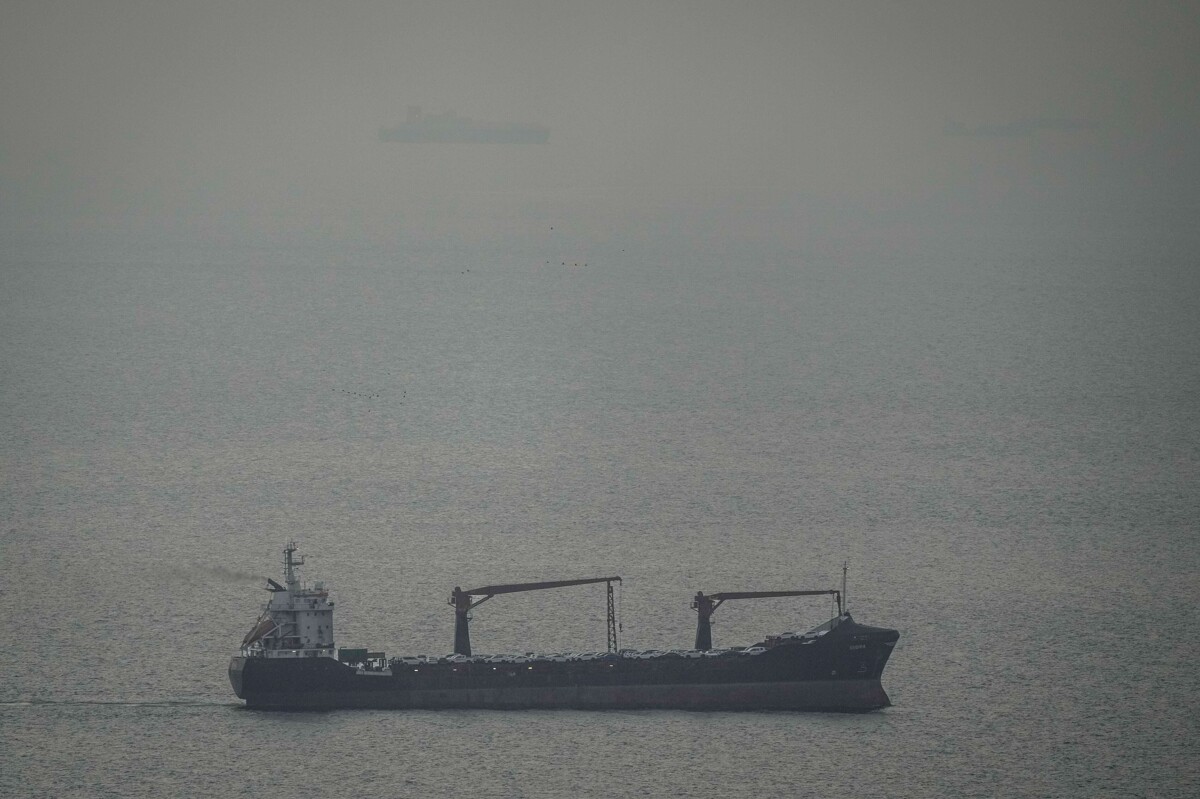
Iranian media claimed this was a retaliation for an attack on their nuclear facility in Natanz. In his Sunday intervention, Netanyahu called on other countries to join the war. Trump's latest warning to Iran came a day after he said he was considering 'scaling back' operations and transferring responsibility for monitoring the Strait of Hormuz to other countries, highlighting the conflicting signals that have left governments and markets on edge. So far, the United States and Israel have largely avoided attacking Iran's power and water plants. U.S. President Donald Trump gave Iran a two-day deadline to reopen the Strait of Hormuz, or its power plants would be bombed, escalating tensions in a war that has now lasted four weeks with no signs of de-escalation. Trump, pressured to curb rising oil prices, stated that Iran must 'fully, without threats' open the vital maritime route for energy flows. Global benchmark crude has surged more than 50% since U.S. and Israeli attacks on Iran at the end of February, threatening to unleash a wave of global inflation. The sudden price spike, particularly in gasoline, poses a political risk for Trump at home, just eight months before the midterm elections. Israel attacked the South Pars gas field last Wednesday, and Iran responded with its own attacks against the world's largest LNG plant in Qatar, as well as other Gulf energy assets. He added that Israel aims to 'create the conditions' for Iranians to overthrow their leaders. Netanyahu's security minister, David Amsalem, stated it is unclear if Trump will keep his promise. Israel did attack fuel depots in Tehran two weeks ago, causing acid rain and drawing veiled criticism from the U.S., which deemed it a strategic blunder that could generate civilian backlash against the offensive. Iran has about 100 operational natural gas power plants, according to data compiled by Bloomberg. Defense Minister Israel Katz declared over the weekend that the intensity of IDF and U.S. military attacks against Iran and its infrastructure 'will increase significantly' next week. The rhetoric suggests neither side is willing to back down, and the war has already triggered an unprecedented crisis in oil and gas supply. 'Ultimately, Trump isn't telling us—or at least not me—what he's going to do,' Amsalem told Israel's Galei Israel radio. In Lebanon, where Israel has intensified its offensive against Iran-backed Hezbollah militants, the death toll has surpassed 1,000. Trump will 'take whatever action is necessary' to achieve his goals, including destroying Iran's air and naval forces, preventing Iran from possessing nuclear weapons and 'projecting its power internationally,' Treasury Secretary Scott Bessent declared Sunday on NBC's Meet the Press. Oil and gas flows are likely to take time to normalize even after the strait's reopening, as many production fields have been damaged. He gave the Islamic Republic a 48-hour deadline 'from this precise moment' in a Truth Social post sent at 7:44 p.m. New York time on Saturday, March 21. Iran retaliated that if its electricity facilities are attacked, it will close the Strait of Hormuz 'completely,' state television reported Sunday, citing a military command statement. The strait, through which a fifth of the world's oil and LNG normally flows, has been virtually closed since the U.S. and Israel began attacking Iran on Feb. 28. Some vessels from certain countries have managed to traverse it. According to the semi-official Tasnim news agency, the Iranian military will attack 'all energy, information technology, and desalination infrastructure' linked to the U.S. and Israel in the region. Dozens have been killed in Israel and Arab states. Iran's missile attacks on Israel have intensified in recent days. Some Republicans are concerned about further escalation. 'When Israel bombed a non-military, an energy target, the president didn't mince words to express his displeasure,' Alaska Republican Senator Lisa Murkowski said Sunday. She added: 'When we get to that next level, where there are troops on the ground, we're talking about a different level of conflict than what the administration had described to us.' Treasury Secretary Scott Bessent stated the attacks aim to destroy Iran's fortifications along the Strait of Hormuz. The Islamic Republic is launching missiles and drones against Israel and the Arab states of the Gulf. Israeli Prime Minister Benjamin Netanyahu reiterated his country's military objectives and told the press his goal is to 'completely dismantle its nuclear program and its missile program.' A senior Iranian official added on social media that the headquarters and assets of entities that buy U.S. Treasury bonds are 'legitimate targets.' According to a post by the Israel Defense Forces (IDF) on Telegram on Monday that provided no details on targets, they launched a wave of attacks against infrastructure in Tehran. The blockages are causing fertilizer and nutrient shortages for crops, increasing the likelihood of severe food production disruptions. The U.S. and Israel continued to attack targets in Iran on Sunday, including areas near the capital, Tehran. The latest threats come after a week of heavy attacks on critical energy infrastructure in the Middle East, exacerbating the risk of a long-term global economic impact. Oil prices fluctuated after a slight initial rise. On Saturday, about 115 people were injured in the southern cities of Arad and Dimona, which names a nearby nuclear research facility. Among the largest are the Damavand plant near Tehran; the Ramin plant, north of Ahvaz, in the west; and the Kerman plant in Chatroud, in the southeast. Middle Eastern energy assets have come to the fore as the attacks intensify. Brent was little changed, below $112 a barrel, at the start of the Asian trading day on Monday.