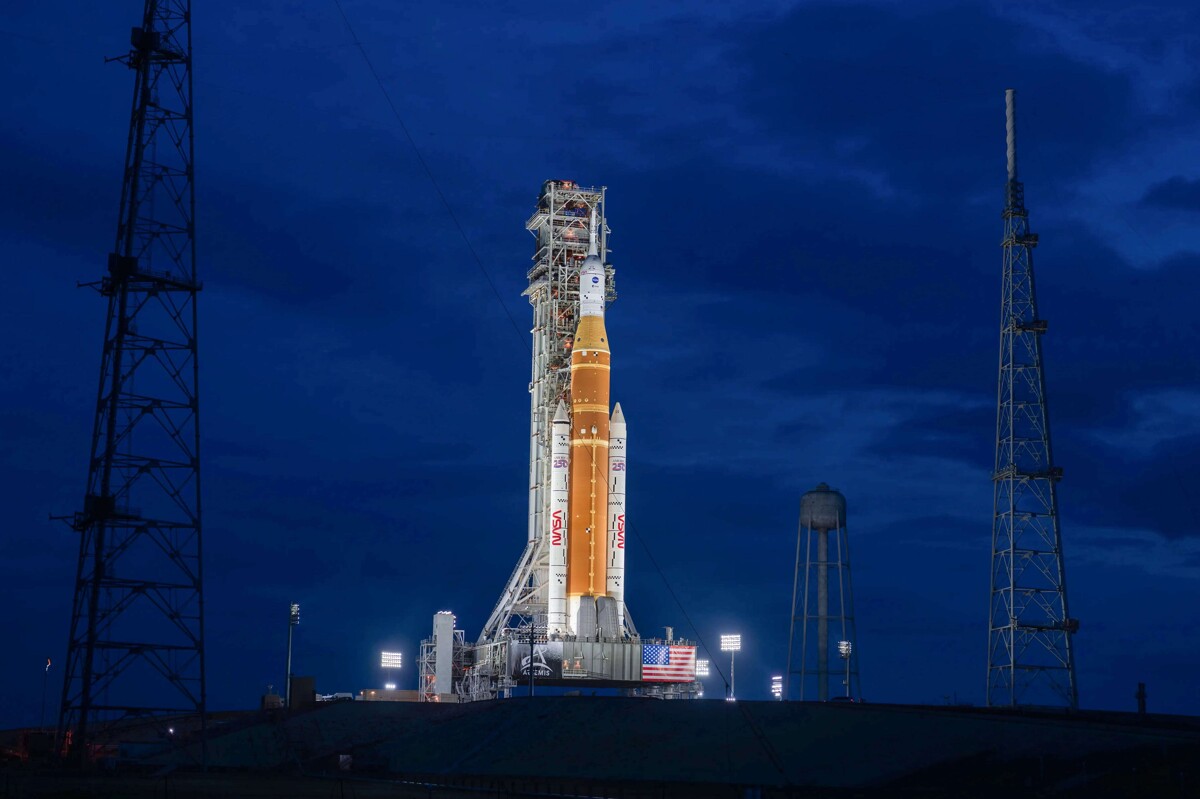
The National Aeronautics and Space Administration (NASA) announced a radical change in its space exploration strategy. After years of planning for the Gateway orbital station, the agency decided to suspend the project to concentrate its resources on building a base directly on the surface of the Moon. This move aims to establish the first human colony outside of Earth within an approximate period of seven years. NASA is on track to return the rocket and spacecraft that will carry four astronauts around the Moon as part of the Artemis II mission back to the launchpad at the Kennedy Space Center following repairs. The decision to abandon the Gateway orbital station responds to a need to streamline the establishment of infrastructure that allows for the prolonged stay of astronauts on the lunar surface. Funds will be allocated to the development of living modules, life support systems, and local resource extraction technologies, with a special emphasis on the utilization of water ice detected in the craters of the south pole. The suspension of the orbital station marks a milestone in the management of the Artemis program. Furthermore, protection against lunar dust and extreme temperatures is a priority for the safety of the crews. Various scientific sources confirm that this project will foster international collaboration, although leadership and the majority of the funding come from the U.S. federal budget. The construction of this base represents the definitive step for humanity to cease being a species tied exclusively to a single planet. With this announcement, NASA accelerates the space race of the 21st century, prioritizing physical presence and effective colonization over remote exploration. Agency executives pointed out that living on the surface offers superior scientific advantages compared to remaining in a spacecraft orbiting the satellite. The planned infrastructure will include research laboratories, landing zones, and advanced communication centers. This complex will function as a key logistics hub for future crewed expeditions to Mars, allowing for the testing of critical technologies in a low-gravity, high-radiation environment. The establishment of this colony requires resolving large-scale technical challenges. The agency seeks to guarantee energy supply through high-efficiency solar panels or compact nuclear reactors. The financial plan for this mission contemplates an investment of 20 billion dollars to be distributed throughout the current decade.