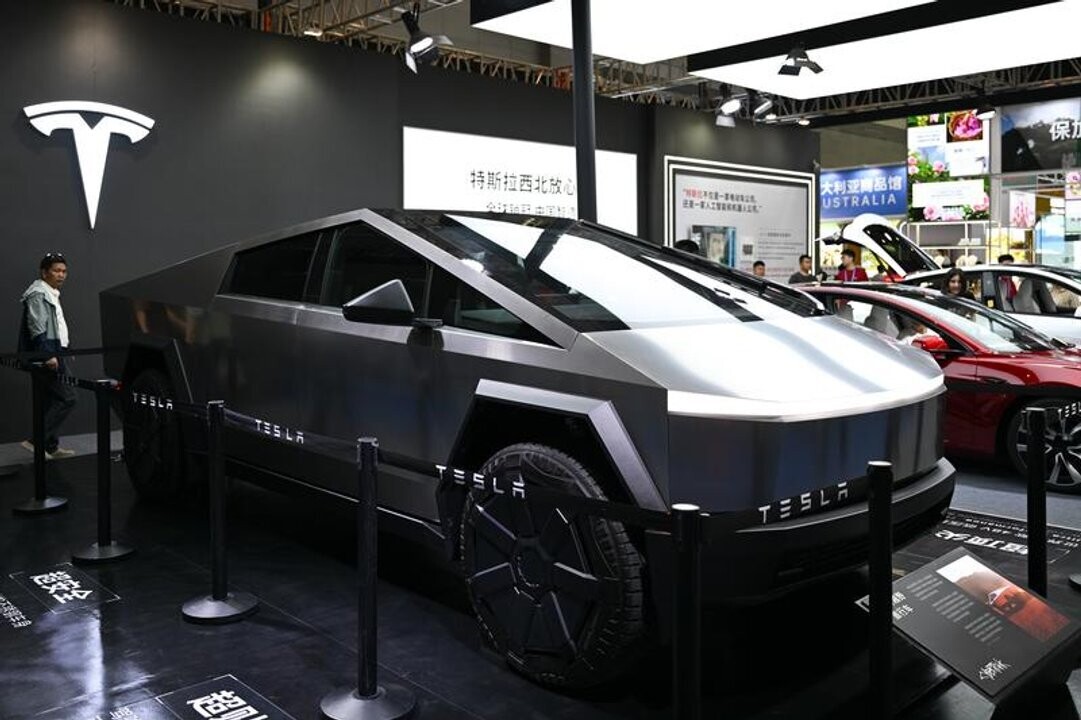
The California Department of Motor Vehicles (DMV) issued an official resolution stating that Tesla violated state law by using misleading advertising to promote its driver-assistance systems. According to the agency, the use of terms like "Autopilot" and "Full Self-Driving" led buyers to mistakenly believe that the vehicles could operate without human intervention. The administrative decision is based on the fact that a "reasonable consumer" would interpret these labels as implying a level of autonomy that does not require constant attention, which is technologically and legally false. Should the company fail to comply with this ruling, it will face severe penalties: License Suspension: Tesla could face a 30-day suspension of its dealer license within the state of California. Market Impact: California is Tesla's most important market in the U.S., so a sales restriction would significantly impact its operations. Elon Musk's company's software is currently classified by industry standards as Level 2, which requires the driver to remain alert and with hands ready to take control at all times. Ultimatum and Possible Penalties The DMV has given Tesla a 60-day deadline to modify its marketing strategy and correct the language used in its promotions. Rebranding: The ruling compels the company to clarify that its systems are "assistance" systems, not "full self-driving," a nuance aimed at preventing accidents caused by user overconfidence. So far, the company has not issued an official statement on whether it will appeal the measure or proceed to rename its global functions to comply with the California regulator's demands.