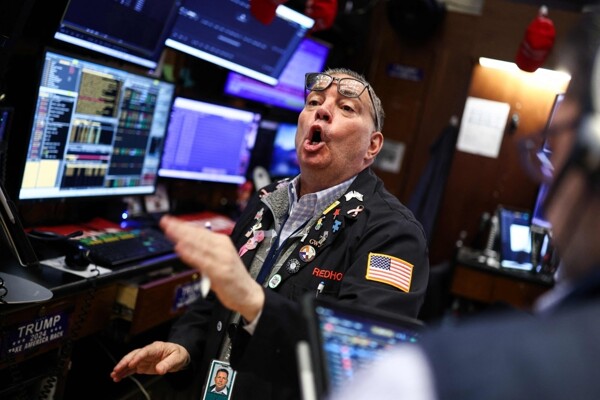
Historical analysis of the S&P 500's behavior—the most important index in the US—in response to geopolitical shocks, from the attack on Pearl Harbor to more recent conflicts in the Middle East, has shown a certain pattern. The historical evidence demonstrates that the market usually recovers all its losses within an average period of 47 days. In 68% of cases recorded over the last eight decades, the S&P 500 was in positive territory one year after the start of hostilities, with a median return of 8.4%. These data underscore that unless the conflict triggers a prolonged systemic global recession, the 'sell in panic' strategy is often counterproductive. The key to the coming days will be China's ability to intervene diplomatically and the speed with which the US can secure freedom of navigation. As long as uncertainty persists regarding a ground response or attacks on allied oil infrastructure, volatility will be the norm. In general, the market's initial reaction is usually one of risk aversion, with the index typically recording an average decline of 1.1% on the first day following the event. This initial volatility tends to deepen in the following weeks, reaching an average total bottom or drawdown of 5.0% over a period of approximately 22 trading days. However, one of the most significant data points lies in the speed of the recovery.
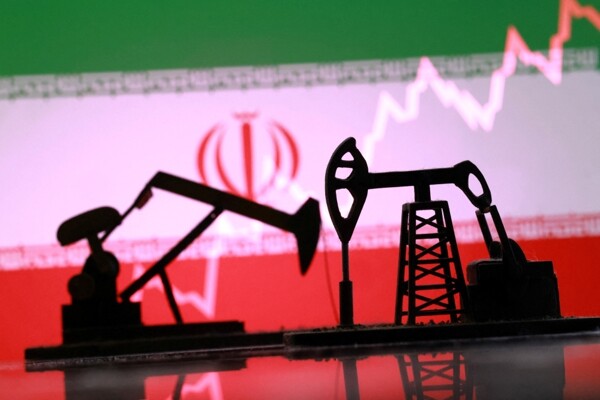
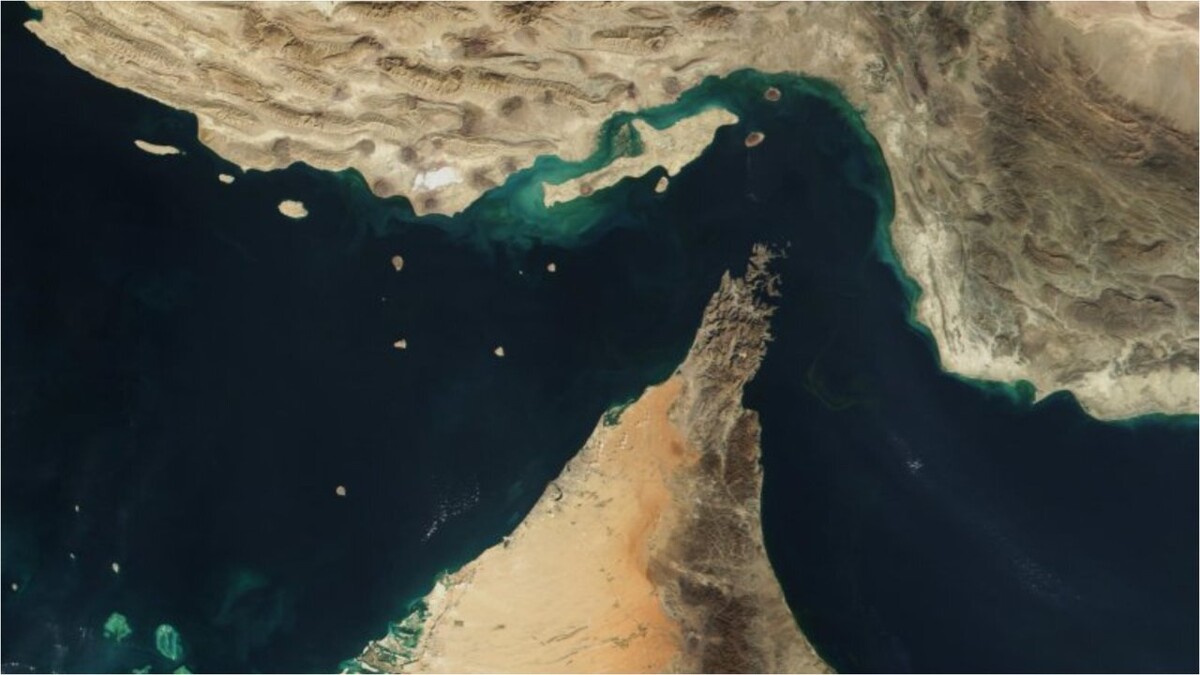
Looking towards the long-term horizon, optimism is backed by solid probabilities. If the global geopolitical landscape was missing something to contribute to market volatility, it has now been added by the execution of the joint operation between the United States and Israel, called 'Epic Fury,' which resulted in the death of Iran's Supreme Leader and other high-ranking commanders. The magnitude of the intervention forced an immediate reaction from Tehran against the West, centered on economic and military asymmetry, which translated into the blockade of the Strait of Hormuz, putting at risk the transit of more than 20 million barrels of oil per day. The sophistication of Iranian naval mines and drones suggests that clearing this waterway would not be immediate, introducing a structural risk premium that could keep crude oil prices at levels higher than those seen at the beginning of 2026. Fear of an interruption in energy supply chains to Asia is causing capital to flow towards gold and the US dollar. But unlike other episodes of volatility, the Treasury bond market has shown mixed dynamics: while the search for safety is driving purchases, expectations of renewed inflation from the energy shock are pressuring yields higher.
The advice from IOL Inversiones is to maintain caution in the face of increasing uncertainty, avoiding aggressive rotations and preferring to overweight assets that present valuations below their average.