The international community is watching with extreme tension the development of the "Epic Fury" operation led by Donald Trump, while the energy flow on which the global economy depends remains under threat of Iranian fire.
Major shipping and airlines have begun to re-logistics routes, anticipating an increase in freight costs and possible delays in the supply chains of electronic components and pharmaceutical products.
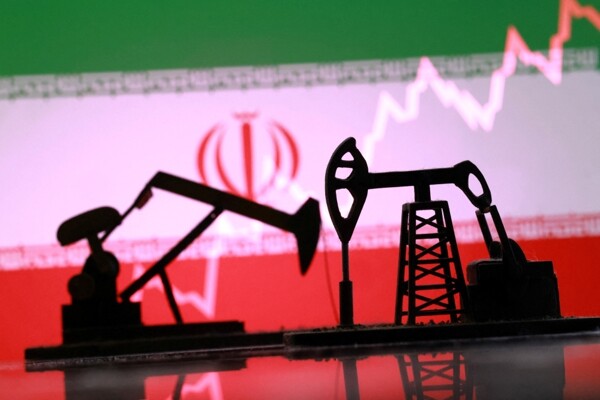
Locally, analysts warn that this international rise will have a direct correlation at the pumps. Brent oil jumped more than 8%, surpassing $78 per barrel, with intraday peaks of up to $82. Wall Street analysts warn that if the blockade continues, the price could break the $100 barrier in the short term.
Meanwhile, WTI oil rose 7.4%, standing above $71, and natural gas in Europe soared 20% on fears that liquefied natural gas (LNG) exports from Qatar could be trapped in the Persian Gulf.
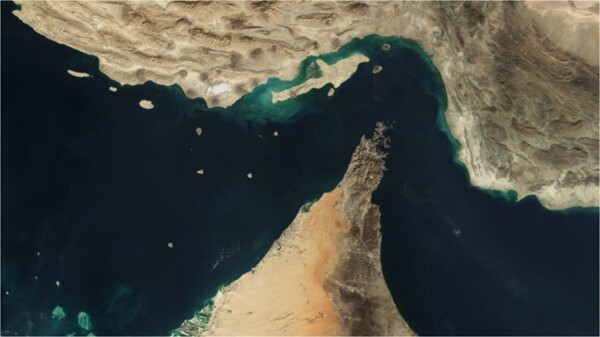
The closure not only affects crude oil. Buenos Aires, March 2 (NA) – In a move that threatens to unleash a planetary energy collapse, Iran's Revolutionary Guard announced the total closure of the Strait of Hormuz. The decision, communicated by Commander Ahmad Vahidi, states that any vessel attempting to transit the area will be "shot down with fire".
This blockade is part of Tehran's response to the joint military operation of the United States and Israel, which last weekend resulted in the elimination of Supreme Leader Ali Khamenei.
The impact on international markets has been immediate and violent, as approximately 20% of the world's oil and gas flows through this route.
"Shock" in energy prices Upon learning the news, energy indicators recorded historic highs in a single day.