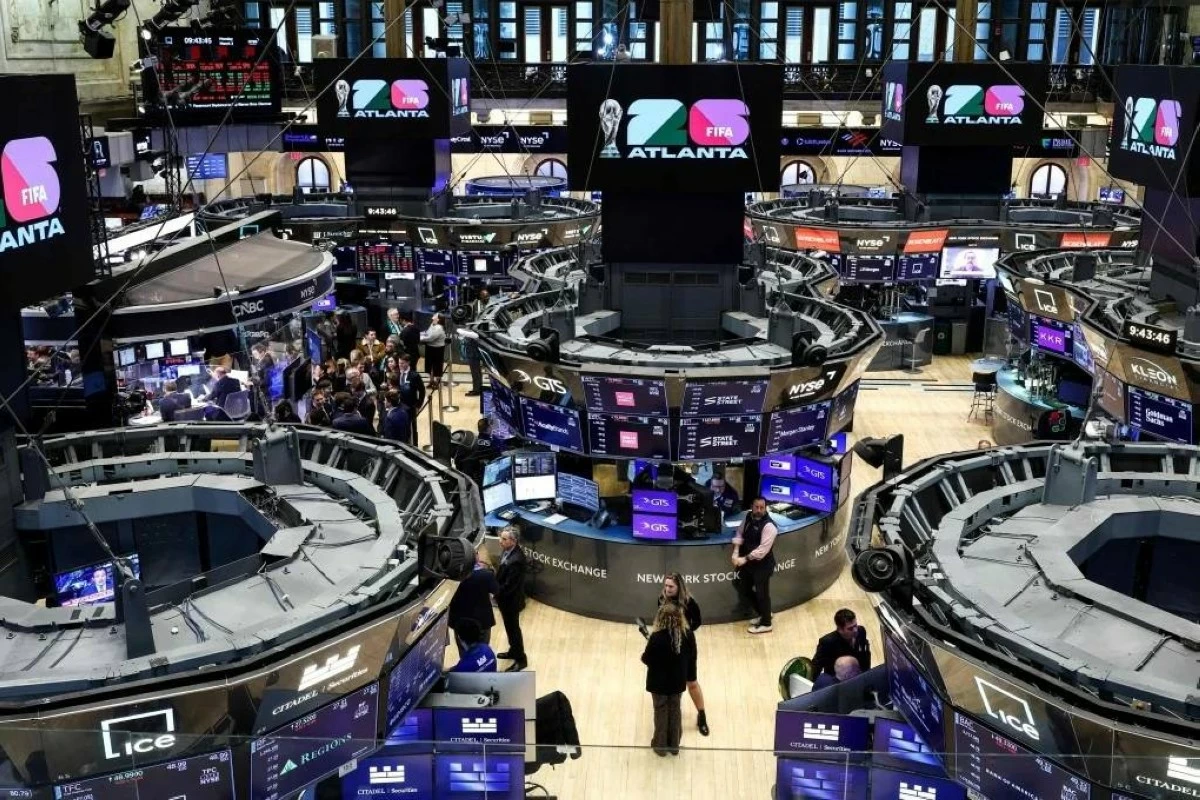
Major Wall Street indices tumbled on Thursday as surging oil prices, nearing $100 per barrel, reignited global inflation fears and forced traders to scale back expectations for U.S. interest rate cuts. The Dow Jones Industrial Average dropped 174.7 points, or 1.08%, to 47,242.52, while the S&P 500 shed 76.9 points, or 1.12%, to 6,640.88. Market sentiment was heavily weighed down by the escalating conflict involving the U.S., Israel, and Iran, which has threatened global energy supplies and heightened volatility. The U.S. Labor Department reported that initial jobless claims fell by 1,000 to 213,000 for the week ending March 7, slightly lower than the 215,000 forecast by economists in a Reuters poll. The surge in energy costs is expected to weigh on consumer spending and potentially dampen future labor demand. In Europe, the STOXX 600 index closed 0.61% lower at 598 points, led by a decline in banking stocks. While the labor market remains relatively stable with claims ranging between 199,000 and 232,000 this year, analysts warned that the military escalation and rising gasoline prices pose a downside risk. The geopolitical standoff remains a primary driver of market anxiety, keeping energy prices elevated and global equities under pressure. The FTSE 100 fell 0.47% to 10,305 points, while the DAX and CAC 40 also saw losses. European markets faced additional pressure from rising sovereign bond yields as the threat of further monetary tightening returned to the forefront. Concerns intensified following reports that U.S. naval forces were not currently positioned to escort tankers through the Strait of Hormuz, coupled with Iran’s supreme leader emphasizing the continued closure of the vital waterway. The Nasdaq Composite fell 311.5 points, or 1.38%, to 22,526.585.