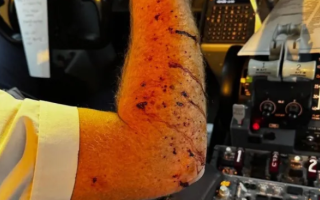
The captain reported noticing an object far in the distance, which he initially thought was space debris. However, before he could inform the co-pilot, the object struck the windshield with a loud bang. The shattered glass covered the instrument panel and cockpit. The captain safely diverted the plane to Salt Lake City, and passengers were later transferred to another flight to Los Angeles. Before the object was identified, there were concerns that the damage might have been caused by space debris. The National Transportation Safety Board concluded that the plane had collided with a long-duration weather balloon at a high altitude, which had launched the previous day from Spokane, Washington. Windburn, a company specializing in weather balloons, stated that it 'implemented four additional safety measures to reduce the likelihood of any future aircraft-balloon collisions.' The company announced it had made changes to reduce the time its balloons spend in the air at altitudes between 30,000 and 40,000 feet. Board chair Jennifer Homendi said the incident 'could have been catastrophic for the plane and those on board.' Flight 1093, traveling from Denver to Los Angeles with 112 passengers and crew, made an emergency landing in Salt Lake City. A weather balloon is a type of long-endurance, autonomous balloon that collects weather data for forecasting using artificial intelligence. This data provides an accurate and real-time understanding of the current weather and environmental conditions. Technical investigation committees determined the cause of the emergency landing of the United Airlines Boeing 737 MAX on October 18, after it suffered severe damage from colliding with an unknown object. The National Transportation Safety Board confirmed that a weather balloon was the cause of the incident, which could have been catastrophic for the plane and the 112 passengers on board. The board confirmed that the flight path of the Windburn weather balloon, which had been flying at high altitude for a long time, coincided with the plane's path. In turn, Windburn Systems speculated that it suspected one of its weather balloons may have collided with the windshield of United Airlines Flight 1093 while flying at an altitude of about 36,000 feet, causing it to crack. As the windshield shattered, glass shards injured both pilots. The captain suffered multiple superficial cuts to his right arm. Photos circulating online show the pilots' arms bleeding, with injuries consistent with glass cuts.