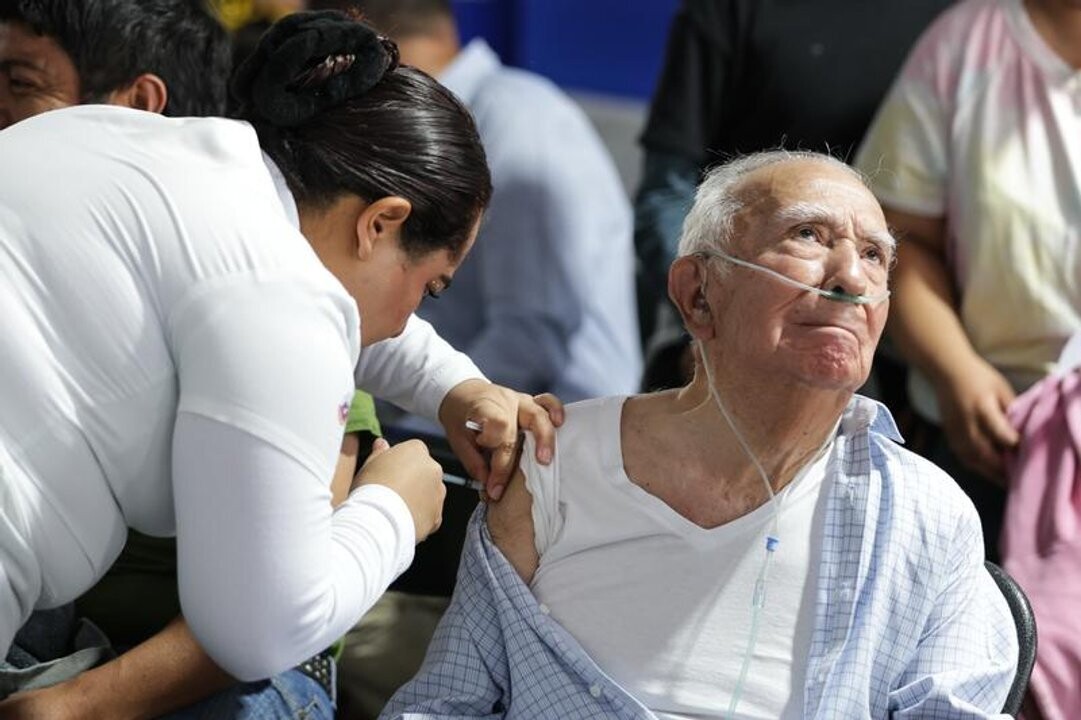
The Pan American Health Organization (PAHO) urged countries in the Americas to strengthen vaccination and epidemiological surveillance due to the global increase in the circulation of influenza A(H3N2) subclade K, especially among older adults and people with risk factors. In an information note, the organization also recommended timely treatment of cases and preparedness of health services for a possible early or more intense season of respiratory diseases. The subclade K (J.2.4.1) has shown rapid growth in Europe and several Asian countries, where it represents a significant proportion of analyzed A(H3N2) influenza viruses. While health authorities have not reported significant changes in clinical severity, PAHO recalled that seasons dominated by A(H3N2) usually have a greater impact on older adults. In North America, the United States and Canada also show a progressive increase in detections of subclade K. In contrast, South America has not yet recorded similar circulation, according to GISAID platform data. PAHO pointed out that the genetic evolution of subclade K is part of the natural process of variation of the seasonal influenza virus. Although the evidence on the effectiveness of the current vaccine is still limited, preliminary data from Europe indicate that immunization offers protection comparable to previous years against severe disease and hospitalization. The organization urged Member States to maintain and strengthen epidemiological, virological, and genomic surveillance, ensure high vaccination coverage, reinforce the preparedness of health services, and ensure timely treatment of cases. Likewise, it reiterated the importance of seasonal influenza vaccination for older adults, people with chronic diseases, pregnant women, and other risk groups, emphasizing that their protection reduces pressure on hospitalization systems. PAHO recalled that the recommendations of the epidemiological alert of December 4 remain in effect, which emphasizes the need to strengthen surveillance of influenza, respiratory syncytial virus (RSV), and SARS-CoV-2, ensure continuous reporting of data, and the regular sending of samples for sequencing. Finally, the organization stressed the importance of early diagnosis, the availability of antivirals for risk groups, the immediate investigation of unusual respiratory events, and compliance with the International Health Regulations, as well as maintaining personal preventive measures such as handwashing, covering your mouth when coughing or sneezing, and staying home when sick.