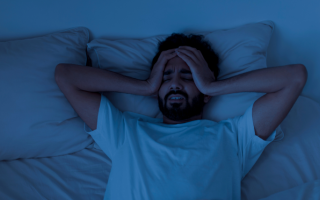
Sometimes, we consider sleep something we can postpone for later or for the weekend. However, getting enough sleep at night improves your overall well-being and even prolongs your life. Ultimately, insufficient sleep proved to be a stronger predictor of longevity than diet and exercise. "We have always thought that sleep is important, but this research strongly confirms this point: people should strive to get seven to nine hours of sleep as much as possible," he added. A significant portion of this work was done by graduate students in the Sleep, Chronobiology, and Health Laboratory at the Oregon Health & Science University School of Nursing. Although scientists have long known that adequate sleep supports overall health, the researchers noted they were surprised by the extent of the link between sleep duration and life expectancy. "I am a sleep physiologist and I am aware of the health benefits of sleep, but the strength of the relationship between adequate sleep and life expectancy was remarkable for me," he said. Previous studies have linked lack of sleep to an increased risk of death, but this research is the first to show annual correlations between sleep and life expectancy across all U.S. states. The correlation with life expectancy was stronger than that of diet, physical activity, or social isolation. Smoking was the only factor that showed a greater impact. "I did not expect such a strong correlation between sleep duration and life expectancy," said the study's lead author, Dr. Andrew McHale, an associate professor at the School of Nursing and the School of Medicine. When researchers evaluated lifestyle factors associated with longevity, sleep stood out clearly. "This is very intuitive and logical, but it was striking to see it so powerfully embodied in all these models. Getting enough sleep at night may play a bigger role in extending life than many people realize. In nearly all states and in every year analyzed, the data showed a clear relationship between sleep duration and life expectancy. The study did not address the underlying biological reasons for this relationship. Thus, a new study from Oregon Health & Science University, recently published in the journal SLEEP Advances, indicates that regularly getting too little sleep is linked to a shorter lifespan. To reach these findings, researchers analyzed a massive national database, studying life expectancy survey patterns across different U.S. counties. The researchers used the Centers for Disease Control and Prevention (CDC)'s definition of adequate sleep as seven or more hours per night, which aligns with recommendations from the American Academy of Sleep Medicine and the Sleep Research Society. Nevertheless, McHale pointed out that sleep plays a crucial role in heart health, immune system function, and brain performance. "This research shows that we need to prioritize sleep as much as we do our diet or exercise," he said. They compared life expectancy figures at the county level with detailed survey data collected by the CDC between 2019 and 2025.