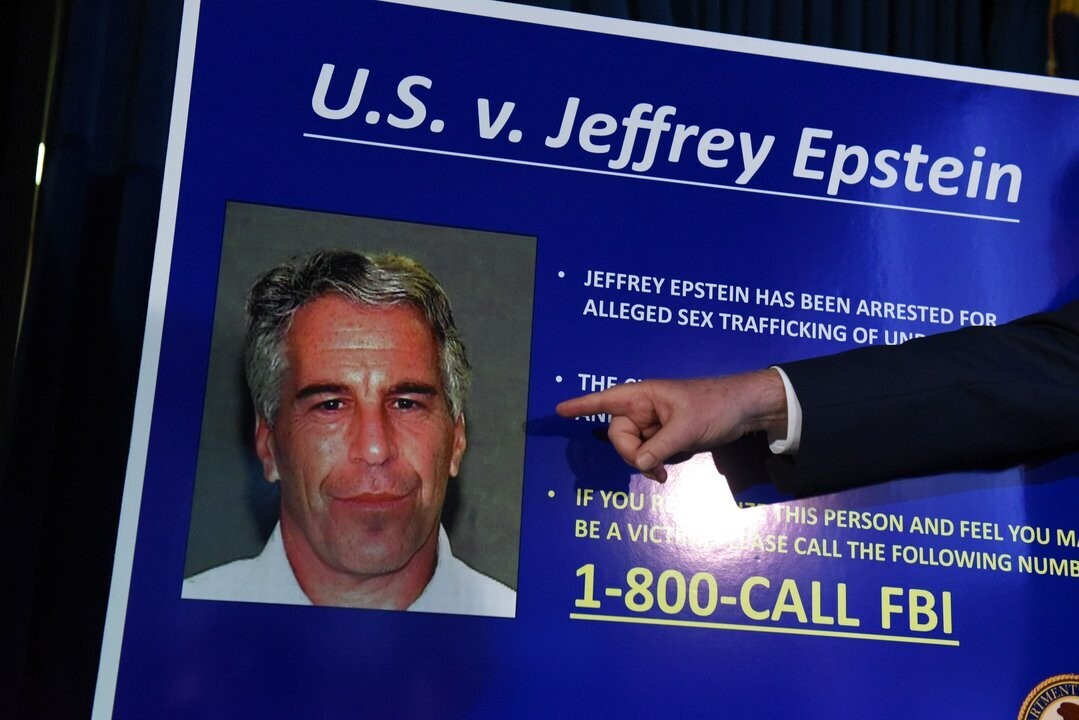
Convicted sex offender Jeffrey Epstein underwent genetic testing in an apparent attempt to use his own biological material for research related to regenerative medicine and longevity, according to thousands of recently published emails. According to a CNN investigation, the documents show that years after his 2008 conviction for prostitution-related crimes, Epstein paid for genomic sequencing and explored projects related to the creation and modification of stem cells, key in tissue regeneration and some healing and immunity mechanisms. His interest, however, went beyond personal health and extended to broader ideas about human genetic modification. The documents also show that Epstein held ideas widely questioned by the scientific community and considered close to eugenicist postulates. In 2016, according to the British media, in an email exchange with cognitive scientist and MIT professor Joscha Bach, Epstein expressed his interest in the possibility of genetically modifying Black people to make them 'more intelligent.' That same year, in correspondence with intellectual Noam Chomsky, Epstein stated that the gap in academic test scores between African American populations was 'well-documented' and that genes could eventually be identified and modified. Epstein also expressed interest in research aimed at the genetic selection or modification of embryos—popularly known as 'designer babies'—and discussed potential investments in such projects with tech entrepreneurs and scientists. Epstein died in 2019 in a New York jail while awaiting trial on federal sex trafficking charges. His interest in genetics was not limited to his own health. For years, Epstein maintained conversations with prominent scientists about the possibility of 'improving' human DNA through genetic engineering and emerging technologies.