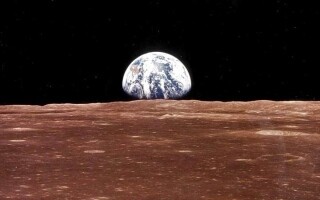
For the first time in history, scientists have successfully grown chickpeas in soil that simulates the lunar environment. In this context, researchers managed to cultivate chickpeas in a material designed to mimic lunar soil. This material differs greatly from Earth's soil due to its lack of organic matter and essential microorganisms necessary for plant growth.
To overcome these obstacles, the team used simulated lunar soil developed in specialized laboratories, which closely resembles the samples collected during the Apollo missions. After this, the researchers worked on improving the properties of this soil by adding organic fertilizer derived from earthworms, which helped provide some of the necessary nutrients for plant growth. The scientists also used a type of beneficial fungus that lives in a symbiotic relationship with plant roots, helping them absorb water and nutrients.
Currently, scientists are analyzing the nutritional value of the grown plants and ensuring they are free of harmful minerals. Researchers believe these results represent a first step toward developing space agriculture systems that could enable astronauts to produce their own food during future missions on the Moon and perhaps on other planets.
This achievement comes at a time when lunar exploration and long-duration space mission plans are increasing, and researchers are looking for ways to allow astronauts to grow their own food in future missions. The study, led by researchers at the University of Texas at Austin, aims to test the possibility of growing crops in conditions similar to the lunar environment, especially as NASA prepares to return humans to the Moon under its Artemis program in the coming years.
Providing food for astronauts during long stays on the Moon is one of the most significant challenges facing space exploration programs. The chickpea seeds were treated with these fungi before planting, which contributed to their increased ability to survive and grow in the simulated lunar soil. The results showed that the fungus-treated plants lived longer compared to untreated plants, and the fungi helped reduce the absorption of some harmful minerals present in the soil. This is an important step on the path toward developing agricultural systems that can be used in the future beyond Earth.
Despite the success of the experiment, the researchers emphasize that the road is still long before these crops can be adopted as a food source for astronauts.