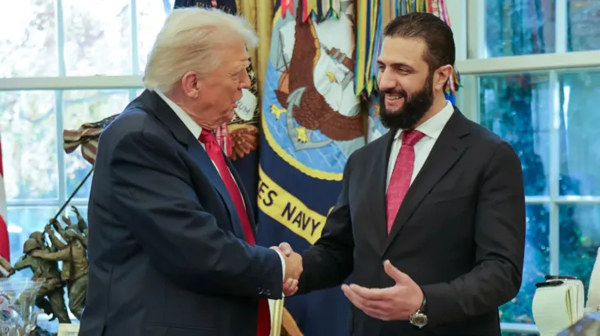
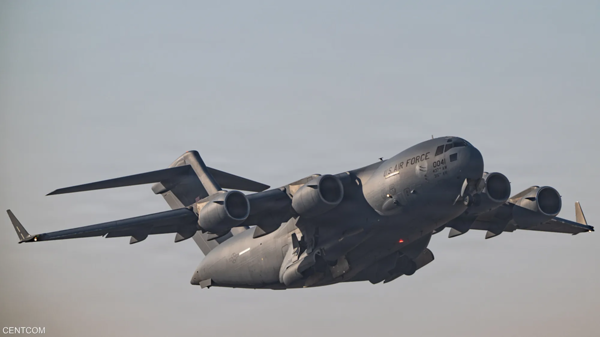
In the streets of Doral, Florida, USA, where many Venezuelans fleeing their country live, two stances coexist: those who still defend the diplomatic path, and those who believe that after more than 15 years of crisis between Venezuela and the United States, this path has been exhausted. Among those calling for radical change in Caracas is the renowned journalist Gaby Pierroa, who has been in exile for over 10 years. She spoke without hesitation, as if she no longer cared to soften her words. Regarding a possible US military operation in Venezuela, she stated: "I believe it is absolutely necessary," adding, "Those who understand the nature of that regime know it is the only way to restore democracy." Pierroa, 49, rejects the idea of a prolonged US occupation of her country, preferring the term "surgical intervention"—something quick, precise, and decisive, as she describes it. She says, "No one wants a military intervention, but Venezuelans have done everything in their power." According to Pierroa, this is not an act of foreign domination but a necessary measure, as "the stronger governments like Venezuela's become, the greater the threat to Mexico, Colombia, the United States, and other countries." Pierroa also adds that her family in Venezuela feels the same way: "My mother, sister, and nephews are all there; they are worried, but they say, 'If something happens to us, it doesn't matter, we have to do it for the youth.'" A Last Chance On the other side of the debate stands Francisco Bulló, a 35-year-old businessman who still hopes for a last chance at dialogue, aware of the dire consequences that war could bring. Bulló says, "The best option would be for Nicolás Maduro (the Venezuelan president) to recognize the results of the July 28, 2024 elections, which he lost overwhelmingly, and step down. That would be the ideal scenario." However, the young businessman admits this idea is difficult to implement, as "Maduro is not just a president; he is the spokesperson for a large group where each leader has a share of power, and there are also international interests at play." Bulló rules out a war like the one in Iraq or Afghanistan and considers targeted military operations "with the existing forces in the Caribbean region" as possible and likely, asserting that "pressure can be applied without direct intervention." A Hesitant Group Among the exiles in Florida, there is also a hesitant group that appears to be larger than it seems. They do not want war but do not see a way out of the crisis either. One of them, who asked to remain anonymous due to having a family in Caracas, expressed it this way: "If you ask me if I want a war or an invasion, I would say no, but after exhausting all paths (dialogue and elections), there are no other options left." This Venezuelan participated in protests, voted, demonstrated, and even took to the streets whenever called upon, and with concern, he says, "Nothing ever happened; there is no institutional framework, everything is under control." The Doral community is part of this diagnosis but adds a slight nuance. According to one Venezuelan exile, "The US president, Donald Trump, is not a war leader; he is not, he doesn't like guns or bombs," adding, "But at the same time, he doesn't deal with diplomats either." Nevertheless, although she acknowledges the scenario is uncertain, Venezuelan Sabrina González is confident that economic and military pressure "will have an effect in the end" because "when they can no longer transport drugs, as they have for over 20 years, this pressure will bear fruit." Questions about military intervention inevitably intertwine with the sentiments stirred by US policy in this community. For many exiles, the Venezuelan crisis is viewed not only from a Caribbean perspective but also from a Washington one, where the figure of Donald Trump stands out. Disappointment Recently, the Venezuelan exile community in Florida has been supportive of the Republican Party. In 2020, Trump received broad support among Venezuelans in South Florida, most of whom were drawn to his tough rhetoric against Maduro and his promise that "all options are on the table." In 2024, this support manifested again in cities like Doral and Weston, which also have a large number of Venezuelan residents, and the Venezuelan vote was a key factor in tipping the scales for the American president. However, his decision to terminate the temporary protected status for more than half a million Venezuelans has caused a clear divide. In Doral, many describe this measure as "disappointment" and even as "betrayal"—a punishment that cannot be justified for those who fled a country that Washington now considers a threat. As businessman Francisco Bulló, who has lived in Florida since 2016, says: "Terminating temporary protected status for citizens from a country you just classified as a terrorist organization makes no sense." Despite the widespread discontent in Doral, even among those who criticize the immigration measures promoted by the White House, the prevailing idea remains that everything could change if Trump makes a real political shift in Caracas. Bulló explains: "If Trump changes things in Venezuela, it will erase any harm caused by his policies," while another Venezuelan is convinced that "although these changes (regarding immigration) have harmed us, we would of course be grateful if he frees the country." From 'El País' A State of Wait The Venezuelan exile community, accustomed to protesting, demonstrating, and demanding change, now lives in a tense state of anticipation, watching movements in the Caribbean region, choosing their words carefully, timing their actions, and waiting for a result that could change everything thanks to measures taken by the US government, which they now call 'their homeland.' Meanwhile, Venezuelan exiles continue to voice their opinions in whispers in cafes and restaurants, during phone calls, and in messages that many later delete. No one knows what will happen, but all agree on one thing: 'Let what will happen happen, but let it be fast.'.. Trump's decision to terminate temporary protected status for more than half a million Venezuelans has caused a clear divide.