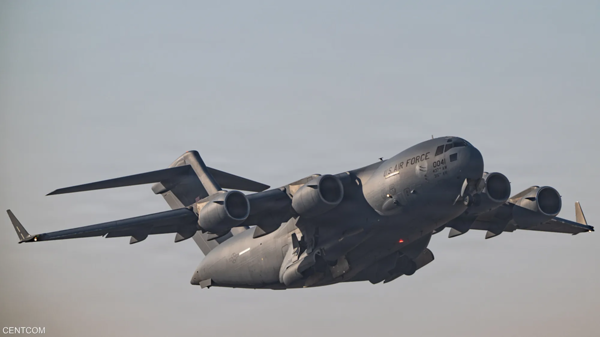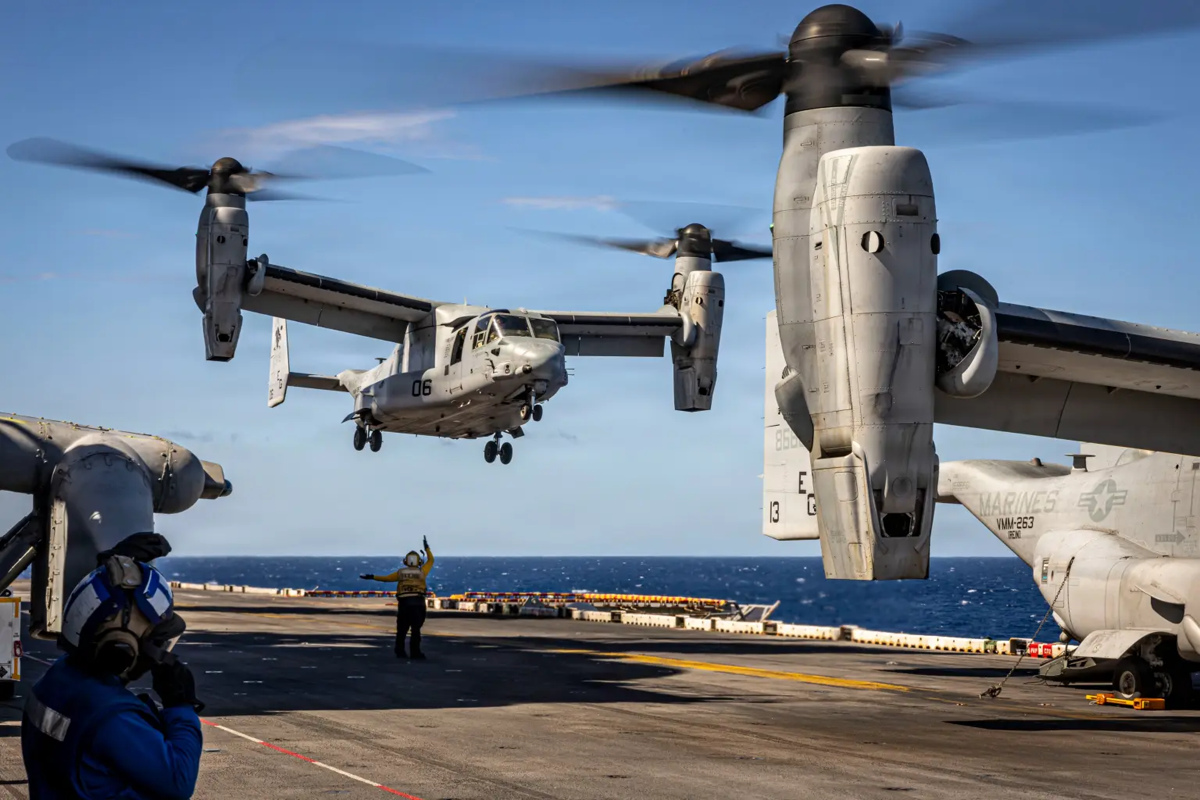
The U.S. government has intensified its military presence in the Caribbean in recent hours by deploying special operations aircraft, heavy transport planes, and military personnel, against a backdrop of growing political and strategic pressure on the Nicolás Maduro regime. This move comes as U.S. President Donald Trump openly evaluates more forceful action scenarios against Caracas amidst Venezuela's internal deterioration and the intensification of the regional conflict. According to information obtained from U.S. military sources, at least ten CV-22 Osprey aircraft—tiltrotor planes used by special operations forces—arrived in the Caribbean region Monday night from Cannon Air Force Base in New Mexico. The simultaneous arrival of special operations and heavy transport aircraft enhances this function and expands Washington's maneuverability in the Venezuelan theater. Meanwhile, the Maduro regime faces an increasingly fragile internal situation, marked by a persistent economic crisis, diplomatic isolation, and growing tensions within its own security forces. Venezuela occupies a central place in this scheme, identified by Washington as a key node in regional drug trafficking, arms smuggling, and the projection of extra-hemispheric actors. From the White House, Trump has hardened his rhetoric against Maduro, once again calling him a dictator and responsible for the country's institutional, economic, and humanitarian collapse. In this context, the U.S. military reinforcement adds additional pressure and deepens the message that Washington does not rule out tougher options if Caracas continues to challenge the regional order and international commitments. Sources: U.S. Department of Defense officials; Wall Street Journal reports; aerial tracking data; U.S. Southern Command information; regional security analysis. In U.S. political and military circles, the increased capabilities in the Caribbean are interpreted as an effort to reinforce deterrence, send a direct signal to the Venezuelan regime, and maintain open options for rapid response to potential escalations. The deployment also has a regional component. Puerto Rico, due to its strategic location and military infrastructure, serves as a key logistical platform for operations in the Caribbean and northern South America. These aircraft are designed for rapid insertion, rescue, evacuation, and high-complexity operations, marking a clearly tactical profile of the deployment. In parallel, C-17 Globemaster III strategic transport aircraft from military installations at Fort Stewart and Fort Campbell landed in Puerto Rico, according to flight tracking records. These platforms are commonly used for the transport of troops, vehicles, heavy equipment, and advanced logistics, reinforcing the hypothesis of a planned, rather than merely symbolic, military movement. Sources at the Department of Defense also confirmed the transfer of military personnel and additional equipment, though they avoided specifying the exact composition of the deployed units.