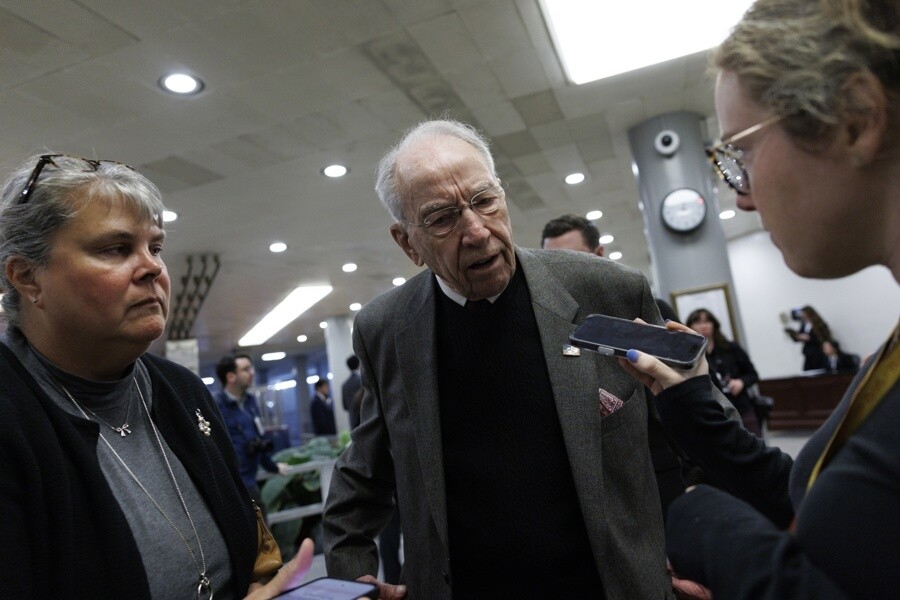
The U.S. Senate rejected a resolution aimed at halting the military intervention ordered by President Donald Trump against Iran, without prior Congressional authorization for the attack. With a vote of 47 in favor and 53 against, the proposal, introduced by Democrat Tim Kaine and also supported by Republican Rand Paul, had little chance of passing as the opposition is in the minority in both legislative chambers. Even if the measure had advanced, it would have faced a tough battle at the Capitol. It would have needed to be amended before moving to the House of Representatives, and then likely face a presidential veto, which requires a two-thirds majority to override. Meanwhile, Republican senators decided to protect the president after Trump harshly criticized the five party senators who voted to advance a previous resolution on war powers for military action in Venezuela. Of those five, only Paul voted again to restrict the president's powers. In turn, Democratic senators warned on Tuesday that the Trump administration does not rule out sending troops to Iranian territory after a classified briefing with senior officials. 'I'm more scared than ever,' said Democratic Senator Richard Blumenthal, confirming that the government informed them it does not rule out sending ground troops to Iran. The House is also scheduled to vote on a similar war powers resolution on Thursday, which Republican Louisiana House Speaker Mike Johnson said he believes he has the votes to defeat. Even if it had passed in the Senate and the House also passed it on Thursday, Trump could veto it, and overriding that veto would require a two-thirds majority in both chambers.