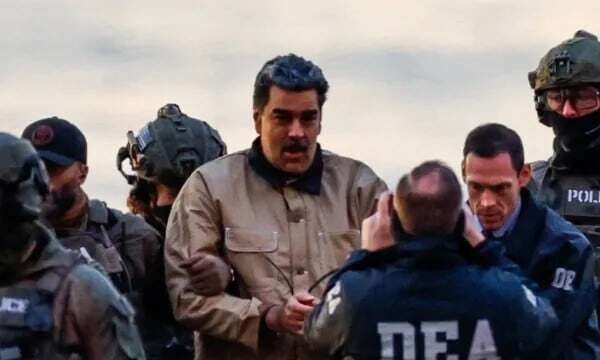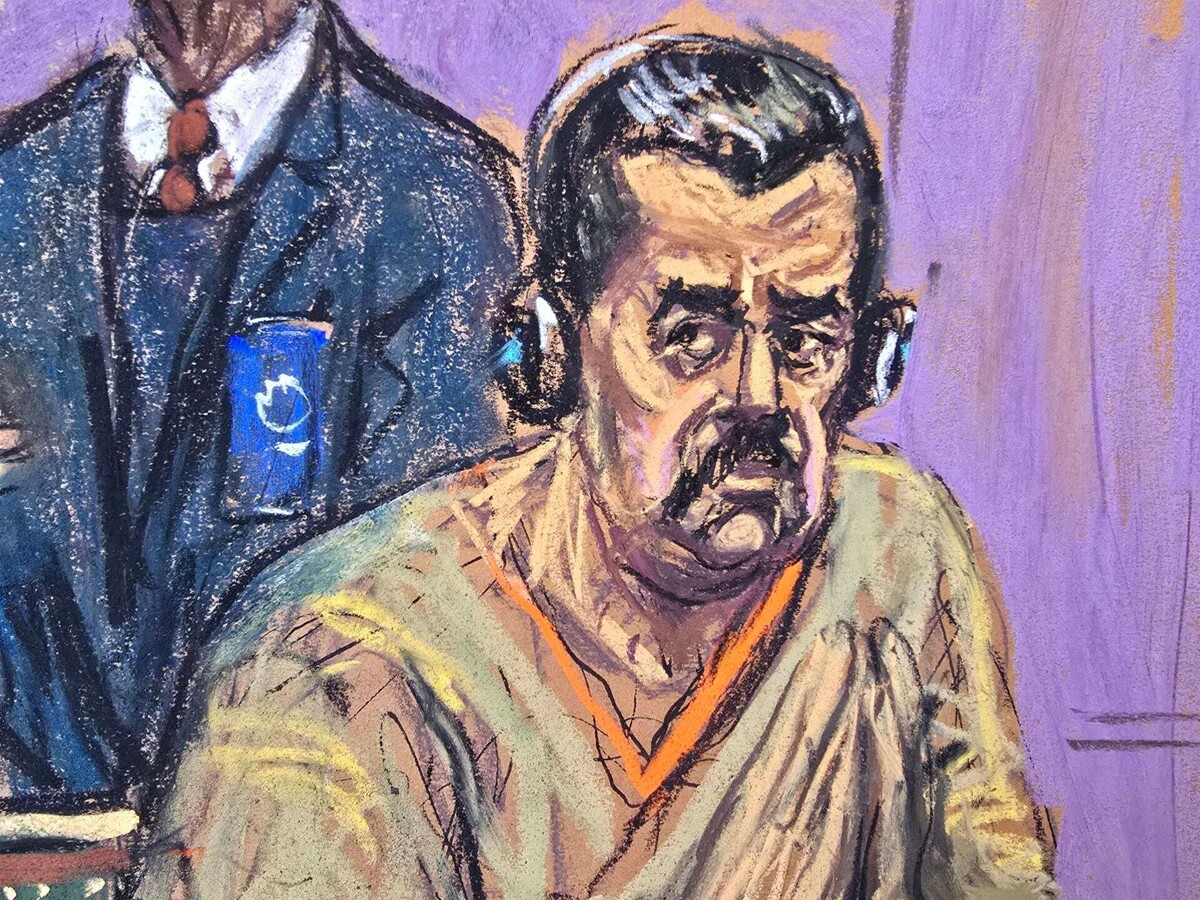
The judge overseeing the case against ousted Venezuelan President Nicolás Maduro and his wife, Cilia Flores, dismissed on Thursday the request to dismiss the case, as their lawyers had requested.
“I am not going to dismiss the case,” asserted 92-year-old Judge Alvin Hellerstein at the second hearing against Maduro and Flores, who are accused by U.S. Justice of drug trafficking and corruption charges. However, Hellerstein, whose voice could be heard as somewhat strained during the hearing, still has to officially confirm his decision.
Maduro entered the courtroom on Thursday with a smile, greeting his legal team. The ousted leader looked gray-haired and seemed thinner and more serious than at the first hearing in January, just like his wife.
Lawyers mentioned that Flores was in poor health and awaiting the results of an echocardiogram.
The defense of Flores and Maduro, captured in Caracas on January 3 by U.S. troops, requested in February to dismiss the case after the Office of Foreign Assets Control (OFAC) denied the defendants a license to pay for their defense with funds from the Venezuelan government.
Both Maduro and the Venezuelan government are subject to U.S. sanctions, so one of the lawyers, Barry Pollack, requested permission from OFAC, but less than three hours later the agency issued an amended license blocking the transaction, according to the complaint.
U.S. Deputy Attorney Kyle Wirshba argued to the judge that the U.S. government should be able to “use sanctions to influence foreign policy or national security.”
Wirshba also stated that the defendants are “plundering Venezuela's wealth” and that “allowing them access to those funds would undermine the sanctions” imposed by the U.S.
However, Hellerstein responded that since Maduro and Flores are detained, “they pose no threat to national security,” and emphasized that “things have changed in Venezuela.”
“(The U.S.) now does business” with the country, he stressed.
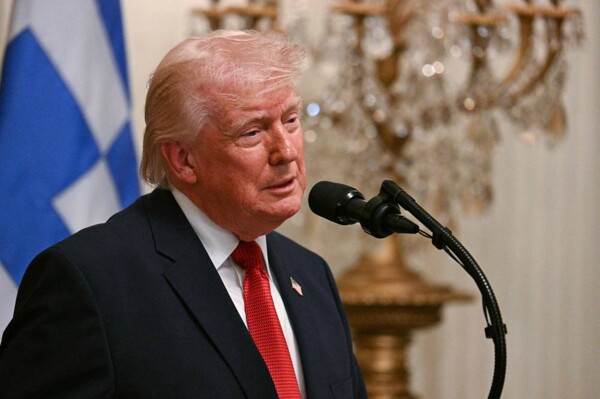
Since Maduro's capture and subsequent transfer to New York, the government of President Donald Trump and Venezuelan interim President Delcy Rodríguez have moved closer.
In early March, the two countries formally re-established diplomatic relations between the two nations, broken since 2019.
Maduro is accused of four charges: three counts of conspiracy to commit narco-terrorism, import cocaine, and possess machine guns and destructive devices; and a fourth offense of possessing those weapons.
Flores, for her part, is accused of four related charges: two counts of conspiracy to import cocaine, one count of conspiracy to possess weapons, and one count of weapon possession.
At his first appearance, Maduro pleaded “not guilty” and defined himself as a “prisoner of war.”