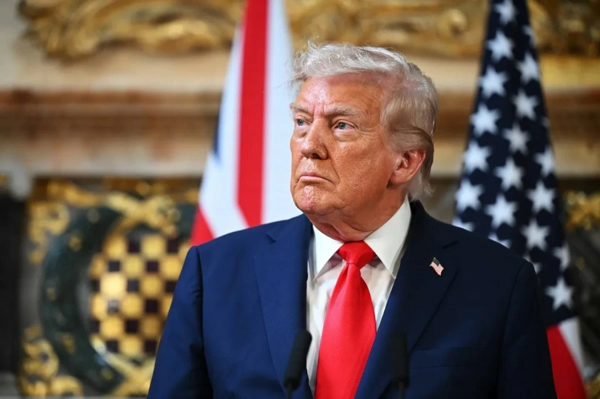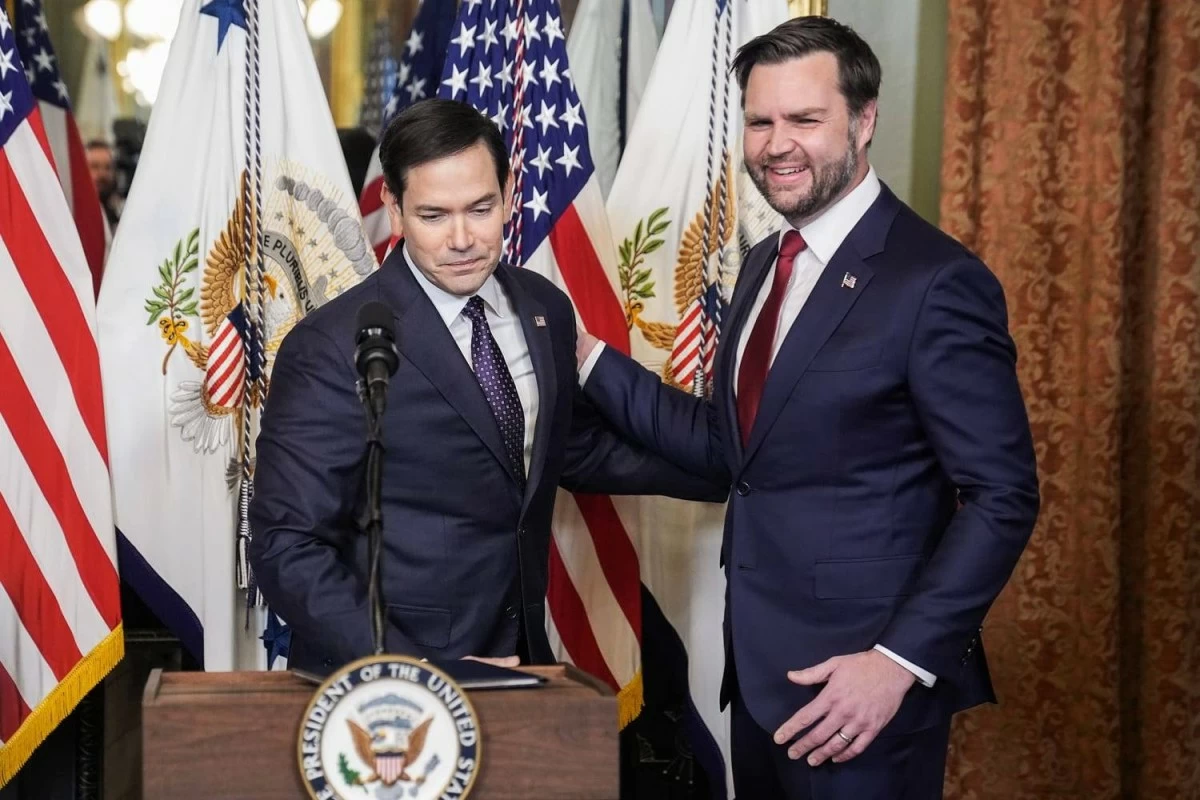
As the war in Iran threatens to imperil President Donald Trump's legacy, the political stakes are rising for two of his top lieutenants: Vice President JD Vance and Secretary of State Marco Rubio. Vance has taken a cautious approach, reflecting his skepticism toward prolonged U.S. military involvement, while Rubio has aligned himself closely with Trump’s hawkish stance and emerged as one of the administration’s most vocal defenders of the campaign. Trump has stated that both men were involved in efforts to force Iran to accept U.S. demands to dismantle its nuclear and ballistic missile programs and allow oil traffic to pass freely through the Strait of Hormuz. A swift end to the war favoring the U.S. might bolster Rubio, who also serves as Trump's national security adviser and could be seen as a steady hand during a crisis. Rubio, 54, has stated he would not run if Vance does, but any perceived vulnerability for Vance could encourage a bid. While some Republicans see signs of Trump leaning toward Rubio, they note he could change his mind quickly. A senior White House official noted that Trump tolerates ideological differences as long as aides remain loyal, adding that Vance's skeptical views help inform Trump about his voter base. Conversely, a prolonged conflict could give Vance space to argue he reflected the anti-war instincts of Trump’s base without openly breaking with the president. Trump's own standing is also at stake; his approval rating fell in recent days to 36%, its lowest point since he returned to the White House, hit by a surge in fuel prices and widespread disapproval of the Iran war, according to a four-day Reuters/Ipsos poll completed last week. "Everyone is watching the body language that Trump makes on Rubio and not seeing the same on Vance," a Republican with close ties to the White House said. The White House, however, rejected the idea of any signaled preference, with spokesman Steven Cheung stating that "no amount of crazed media speculation" would deter the administration's mission. Vance, a 41-year-old former Marine who served in Iraq, has long argued against U.S. entanglements in foreign wars, despite current efforts to downplay any rift with the president. Republican strategist Ron Bonjean warned that Trump's "long memory" regarding allegiance could ultimately determine who receives the critical MAGA endorsement for 2028. With the next presidential election due in 2028 and term limits barring Trump from running again, the president has been putting the succession question to allies and advisers in private, asking "JD or Marco?," according to two people familiar with his views. Recent straw polls at CPAC showed Vance leading with 53% of the vote, though Rubio gained significant ground, finishing second at 35%. The pair, widely viewed as potential successors to Trump, have been thrust into still-developing negotiations to end the war at a moment when the Republican Party is already weighing its post-Trump future. A person familiar with Vance's views told Reuters the vice president will wait until after the November midterm elections before deciding on a 2028 run. Political analysts and Republican officials noted that the outcome of the U.S. military operation, now in its fifth week, could shape the two men's 2028 prospects.