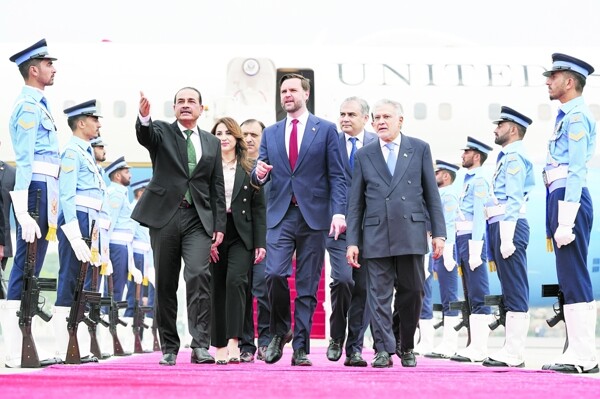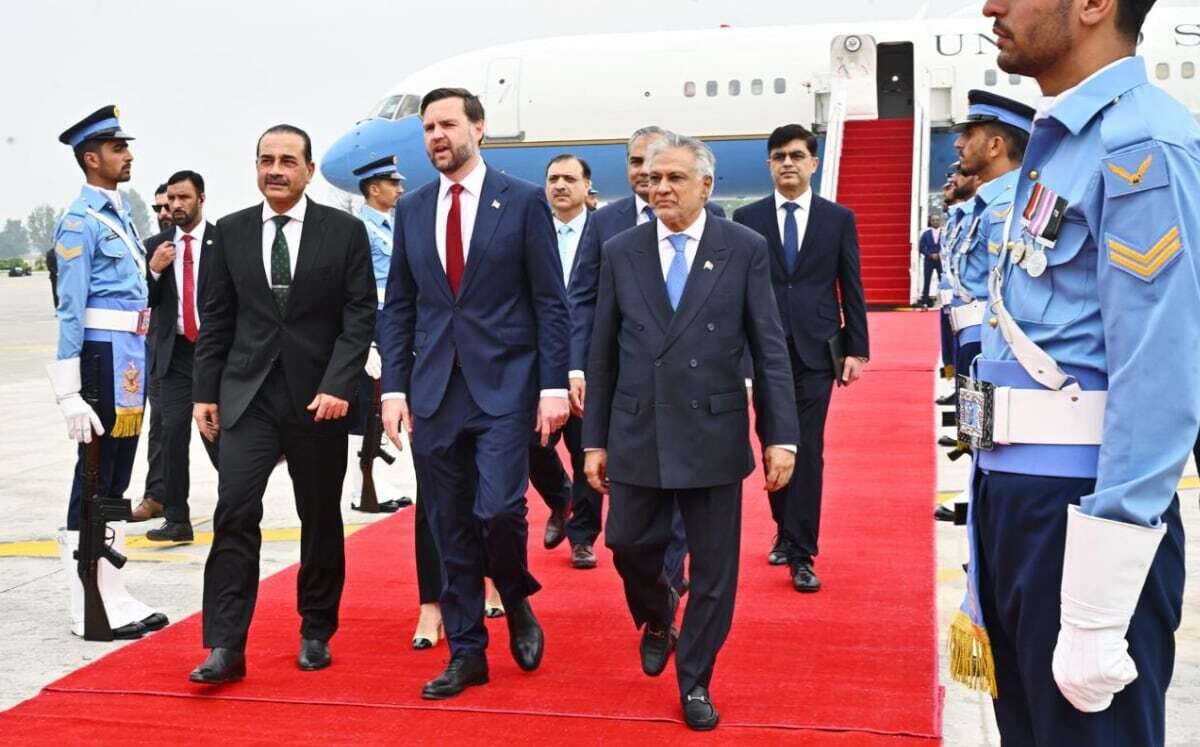
After more than two hours of indirect consultations, a version emerged about a possible concession from the Trump administration to unblock Iranian funds. Tehran media outlets reported this as a breakthrough, but the White House denied it, which stalled the dialogue until the direct meeting. What does Pakistan gain from mediating the conflict between the US and Iran? Islamabad reinforced its security with extraordinary measures in the so-called Red Zone. Iran and the US broke decades of diplomatic silence by sitting face to face in their first direct negotiation since the 1979 Islamic Revolution. After six weeks of war without progress, the Washington and Tehran delegations abandoned indirect diplomacy and presented draft agreements in a trilateral format with Pakistani mediation. Tehran's participation was confirmed until its delegation's arrival at Islamabad airport, following days of disagreements on basic points. Iran conditioned the dialogue on the acceptance of its "preconditions", including the inclusion of Lebanon in the ceasefire and the release of financial assets. The US delegation, led by J.D. Vance, arrived accompanied by Steve Witkoff and Jared Kushner, with instructions to ensure total security in the Strait of Hormuz and to prevent Tehran from resuming its nuclear program. Midway through the day, tension escalated in private meetings. The Pakistani government expedited logistics and visas for delegations and international journalists. Pakistan seeks to extend the talks until Sunday to reach an agreement before the 14-day truce expires. Pakistan consolidated its international role with its Prime Minister Shehbaz Sharif, Foreign Minister Ishaq Dar, and Army Chief Asim Munir, who received the delegations. For Islamabad, the outcome of the summit is crucial for security and economic reasons, as 80% of its oil passes through the Strait of Hormuz. Possibilities of a ceasefire. At the end of the day, a moderate optimism is perceived in the negotiation spaces. Iranian diplomatic sources told EFE that both parties showed "optimism" after the exchange of initial draft agreements. US and Iran put their cards on the table. What do they demand to end the war? Despite the historic nature of the meeting, the feasibility of a definitive agreement depends on a complex balance of demands. The possibility of a permanent ceasefire began to circulate among delegations and media. Although decades of tensions persist, the atmosphere points to a technical phase in the negotiation process. Iran rejected the statements of the US Central Command about the alleged deployment of destroyers to remove mines in the Strait of Hormuz, in parallel with the peace negotiations. J.D. Vance and the President of the Iranian Parliament, Mohamad Baqer Qalibaf, sat at the same table. The meeting, which the White House defined as a "trilateral face-to-face format", began at 16:55 local time and continued into the night with a working dinner. The day closed on an optimistic note, despite starting with a risk of boycott. After weeks of indirect mediation and a morning of separate consultations at the Serena hotel, the teams led by US Vice President J.