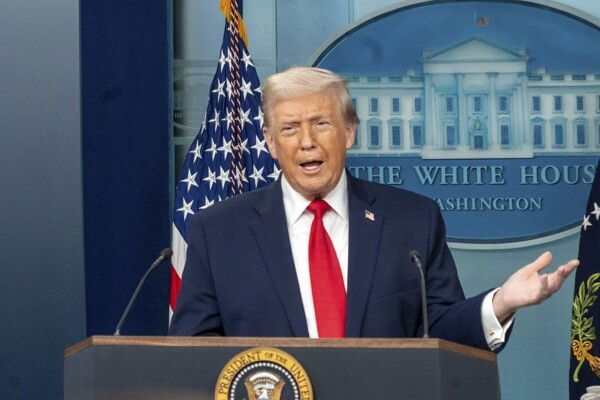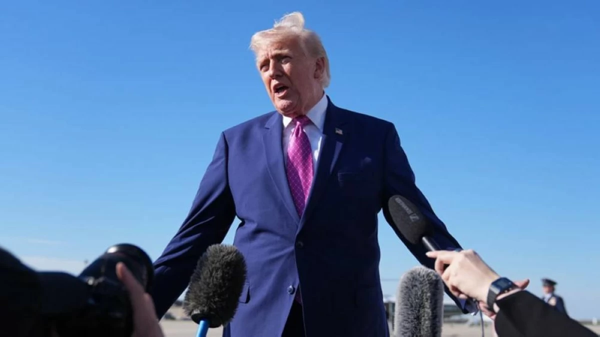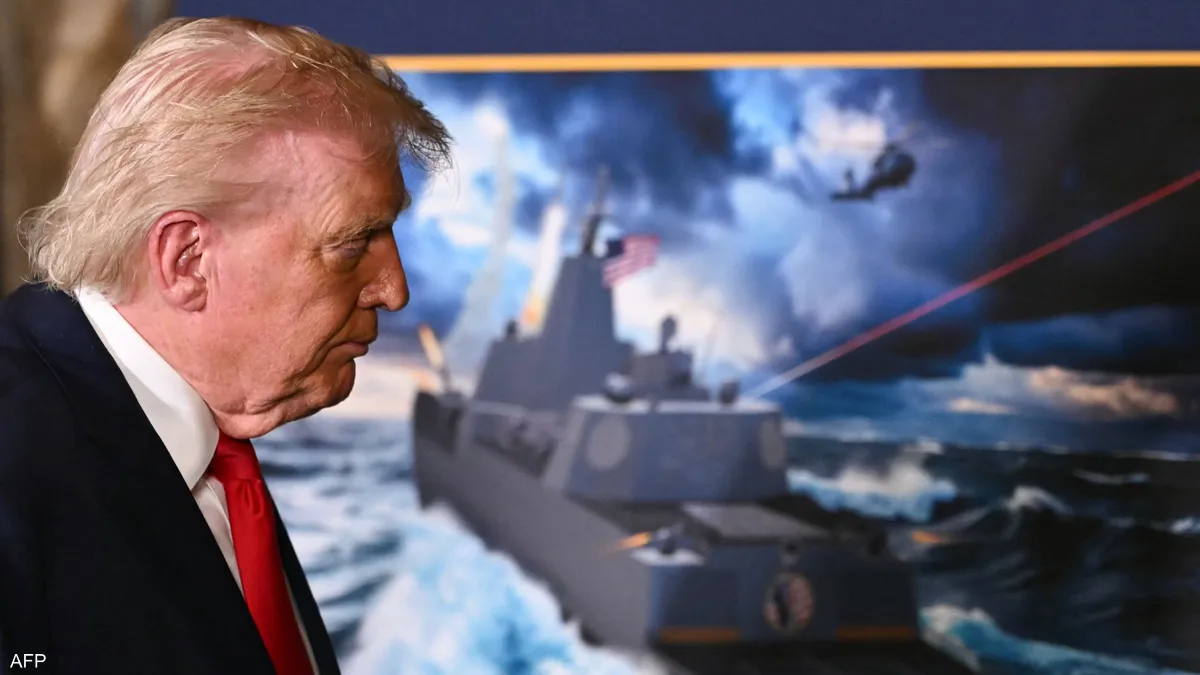
After weeks of using the Strait of Hormuz by the Iranian government as a tool for international blackmail, it will now become the stage for the most complex maritime operation of the 21st century, carried out according to the new American strategy. As announced by the U.S. Central Command (CENTCOM), a neutral blockade will be imposed on ships of all countries entering or leaving Iranian ports and coastal areas. This will include all Iranian ports along the Persian Gulf and the Gulf of Oman. How will the "Trump blockade" be implemented? As clarified by U.S. Naval Forces Central Command (NAVCENT), there will be no obstruction of the freedom of navigation for any ships passing through the strait on their way to or from non-Iranian ports. In practice, the U.S. President will impose a naval blockade on Iran, which will begin to be applied before the critical nautical miles. Once any vessel enters the radar broadcast range in the Gulf of Oman, the wireless channel "16", a global emergency frequency, is converted into a direct communication channel with American command towers. Within the "early warning" strategy, commercial ship crews are provided with official notifications before reaching the prohibited area. This places all sailors working in the Gulf of Oman and the approaches to the Strait of Hormuz under an obligation to follow "Notices to Mariners" to ensure immediate compliance. How will it be enforced? The U.S. Navy may have to provide "close protection" for oil tankers heading to allied ports to ensure they do not mix with prohibited ships. This is to ensure there are no gaps in the blockade wall; NAVCENT may rely on a "layered surveillance" strategy. Unmanned aerial vehicles (UAVs) of the "Triton" and "Global Hawk" types will fly at altitudes exceeding 15,240 meters, providing around-the-clock radar and visual scanning of the Iranian coast. Based on the U.S. Navy's combat doctrine, Washington may activate a network of seabed sensors. The goal is to detect small submarines and maritime drones that might attempt to break the blockade. The major Trump operation will take place while elite units remain on high alert on nearby helicopter carriers to ensure a response within minutes to any physical breach of the blockade.