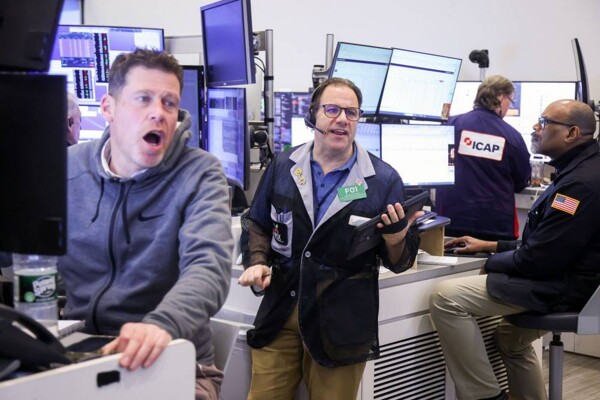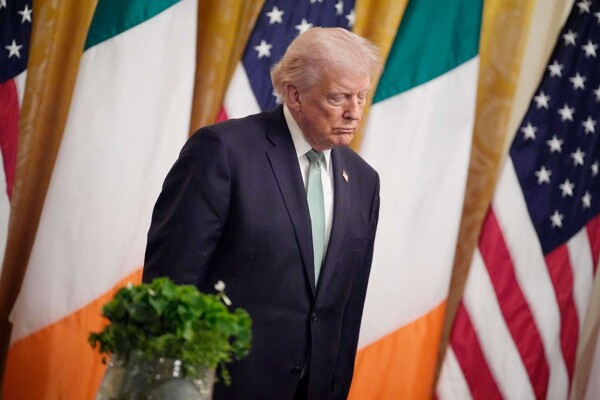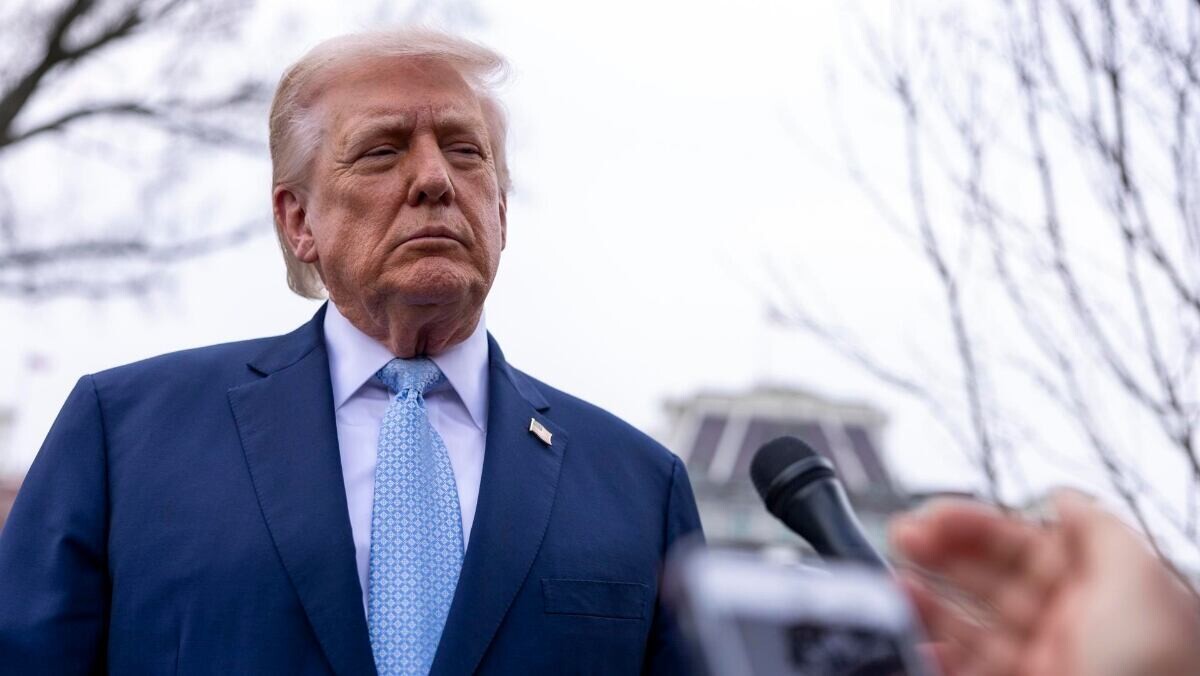
Without strategic clarity, the foreign policy of the world's most powerful superpower is beginning to resemble what it shows too frequently today: a game of chance, a sequence of decisions made on the fly. Exactly that: blind shots. The most serious risk is not deliberate escalation, but accidental escalation. A higher oil price may give Pemex some temporary breathing room, but that potential benefit would be just a small part of the overall picture. The most immediate and underestimated channel is the currency one: if global risk deepens aversion to emerging markets, the peso will absorb pressure that the Bank of Mexico cannot ignore, further reducing the margin for rate cuts that the economy needs. An ambiguous message can be read as a threat; a miscalibrated threat can provoke a disproportionate response; and a disproportionate response can drag everyone into a terrain that no one had defined as an objective. This is how many crises begin that are later judged inevitable, although they were born out of confusion or arrogance. For Mexico, this conflict is not a distant story. The underlying question is whether the United States can continue to act blindly in one of the planet's most sensitive regions without the rest of the world paying an increasingly high price. Unfortunately, the answer is clear: in a region where improvisation is measured in barrels, rates, and exchange rates, disorder does not reduce risk. What it fails to produce is strategic clarity. When it occurs during a war, the potential cost is incomparably higher. The world can absorb, at least for a time, more expensive oil. Traders were discounting something more corrosive: the risk of improvisation by the White House. The question is not only whether the U.S. will escalate or contain itself, but that it gives the impression of not knowing what it wants to achieve, how much it is willing to pay, and how it plans to exit. To this must be added the predictable cooling of the U.S. economy —our main external engine—, greater imported inflationary pressures, and a drop in investor appetite that no speech on fiscal stability will compensate. The big question for the coming weeks is not whether Trump will opt for a gradual withdrawal or for a major escalation. What is much harder for him to process is the simultaneous combination of insecure sea routes, skyrocketing insurance premiums, energy infrastructure under attack, and central banks forced to recalibrate their inflation, rate, and growth expectations at the same time. The transmission chain is known, but it is worth not naturalizing it: the rise in crude oil is passed on to freight, fertilizers, petrochemicals, and transport tariffs; in weeks, it begins to seep into the real economy via inflation; and if the conflict lasts longer, the question stops being how much oil rose and becomes how much damage it caused to global growth. Trump seems trapped between two antagonistic impulses: the maximalist rhetoric that makes him appear as a man of action, and the political instinct to brake when oil becomes more expensive, the stock market falters, and public opinion becomes uneasy. There is a crucial difference between a risky strategy and an erratic one. The first can be dangerous, but it allows for anticipating scenarios and calculating damages. The Strait of Hormuz has been effectively closed for almost three weeks, cutting off 20% of the world's oil supply. That kind of uncertainty not only worries allies and emboldens adversaries. “TACO”, the acronym for Trump Always Chickens Out, emerged among traders to describe a recognizable tactic: to tense to the maximum, to threaten without measure, and to retreat as soon as markets, polls, or reality impose limits. That same pattern is now reappearing in the Middle East, with potentially more serious consequences than any tariff. On the one hand, Trump suggested that the United States could be reducing its military activity in the region. Wall Street had already given the method a name. On the other hand, Pentagon leaks and official statements contemplate scenarios of greater involvement, including the possibility of ground troops in Iran. These are not nuances or differences in emphasis: they are contradictory messages that reveal something more delicate than a simple bureaucratic dispute. That tension can produce strident headlines. If the conflict drags on and the threat to oil and gas facilities persists, the problem will cease to be a story of temporary volatility and become a real threat to global trade and finance. With Brent more than 35 dollars above its level a year ago, that arithmetic is no longer hypothetical.