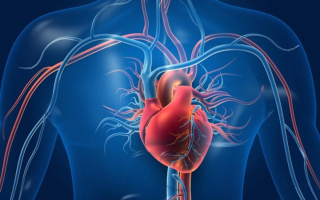
An American scientific study has revealed that eating an early dinner helps maintain heart health without the need to reduce calorie intake. According to Dr. Daniela Crimaldi, an assistant professor of neurology at Northwestern University's Feinberg School of Medicine in Chicago, "regulating the timing of food abstinence to align with the natural sleep-wake cycle helps improve the coordination between the heart, metabolism, and sleep, which ultimately benefits the cardiovascular system." In a study published in the journal Arteriosclerosis, Thrombosis, and Vascular Biology, Dr. Crimaldi confirmed that reducing room light and abstaining from food for a long period before sleep leads to significant gains for heart health and metabolic markers during sleep and throughout the following day. During the study, participants did not reduce the caloric content of their meals before sleep but only changed the timing of their last meal of the day. Dr. Phyllis Zee, director of the Center for Sleep and Circadian Biology at Northwestern University, stated in an interview with the medical website Health Day: "The issue is not just about the quality or quantity of what you eat, but also the timing of food intake in relation to sleep hours, as abstaining from food for a sufficient period before sleep provides physiological benefits to the individual." As part of the study, researchers divided 39 people with obesity, aged between 36 and 75, into two groups. The first group was asked to reduce the light in their room three hours before sleep and to abstain from food for 13 to 16 hours a night for about seven weeks, while the second group ate at their usual times. The experiment showed that the heart rate of the first group decreased by 5% at night, and their blood pressure dropped by 3.5%. Their blood sugar levels also improved.