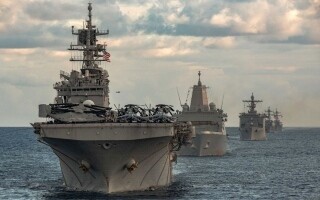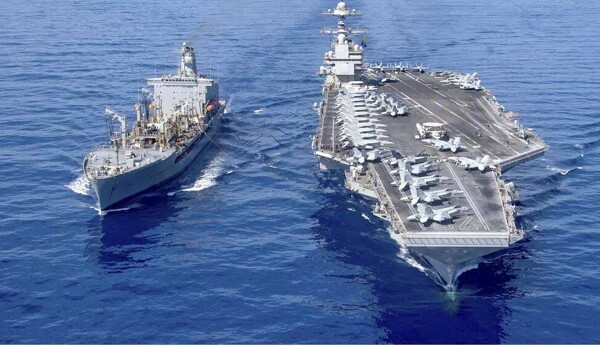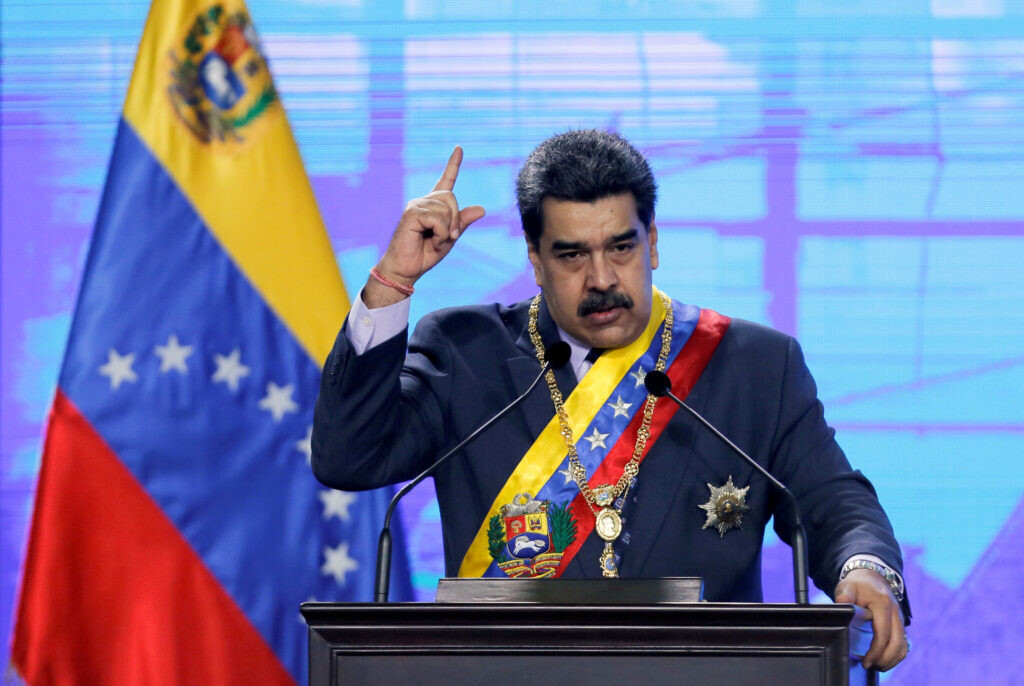
The Wall Street Journal urged Trump’s administration to continue ramping up the pressure on Venezuela and said it believed “deposing Maduro is in the US national interest.” In an attempt to find a peaceful solution, Colombia’s president, Gustavo Petro, offered the Colombian city of Cartagena as a possible location for talks between Maduro’s regime and Venezuela’s opposition. However, Venezuela’s authoritarian leader declined, demanding a “global amnesty” for himself and allies, including worldwide immunity from prosecution and being allowed to cede political control but keep control of the armed forces. This is similar to what happened in Nicaragua in ’91 with Violeta Chamorro. Speaking to service members during a Thanksgiving call, he said the U.S. Armed Forces would “very soon” begin land-based operations to disrupt what he described as Venezuelan drug-trafficking networks. Washington has moved to expand its legal authority, formally designating the Cartel de los Soles as a Foreign Terrorist Organization, placing Maduro, Interior Minister Diosdado Cabello, and Defense Minister Vladimir Padrino López in the same legal category as leaders of al-Qaeda and ISIS. Hegseth said all military actions in the Caribbean were and are “in compliance with the law of armed conflict.” In return, Venezuela would allow free elections. Trump said “You can save yourself and those closest to you, but you must leave the country now,” offering safe passage for Maduro, his wife Cilia Flores and his son “only if he agreed to resign right away.” President Trump announced that U.S. military actions — until now focused on sinking speedboats suspected of carrying drugs in the Caribbean — would soon expand onto Venezuelan territory. The US president sent a ‘blunt message’ to his South American counterpart, giving Maduro an ultimatum to relinquish power in Venezuela and walk away a free man. Washington demanded that Maduro and his top allies leave Venezuela immediately to allow the restoration of democratic rule. Experts note the move will allow the administration to invoke the 2001 Authorization for the Use of Military Force, the legal basis for most U.S. counterterrorism operations over the past two decades. We all know of the defeat in last year’s presidential election in Venezuela, which Maduro lost to the former diplomat Edmundo González, which has been amplified loud and clear during this past year by Maria Corina Machado. Defense Secretary Pete Hegseth said the designation “opens up a lot of new options,” and Trump said it will clear the way for strikes on Venezuelan assets and infrastructure. The U.S. has placed a $50 million bounty on Maduro —the largest reward ever offered for a sitting head of state— and $25 million for ruling-party strongman Diosdado Cabello. Moscow is quietly distancing itself from Caracas, Venezuela, as regional tensions escalate, recently rerouting tourists to Cuba. The designation grants the administration new latitude to undertake military action without additional congressional approval. The US has deployed 11 warships and 15,000 troops in the Caribbean, including the USS Winston S. Churchill and the USS Bainbridge.