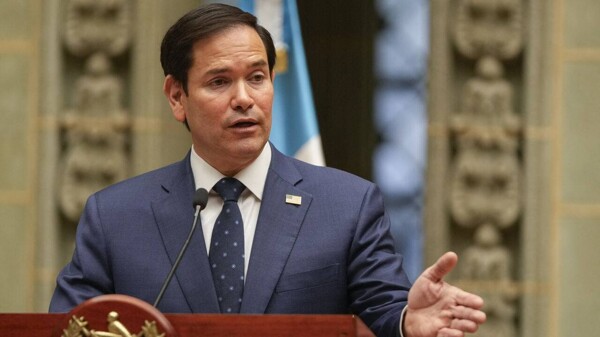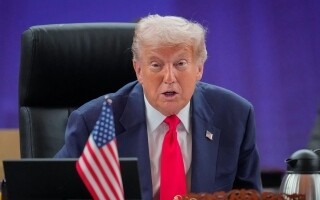
The US Supreme Court ruled that the US President's declaration of a trade war against the country's trading partners was illegal, after which Trump pledged to escalate and impose higher tariffs. Despite objections from some Republicans, Trump believes that tariffs will lead to economic prosperity, even if consumers bear the costs. Trump's challenge poses several risks, the most important of which are: - Significant political risks for him and his party. - It creates a state of uncertainty regarding an unstable economy. - It opens a new avenue for attacks by Democrats. According to a CNN report, Trump will continue to impose tariffs for two main reasons: First, Trump genuinely believes in the power of tariffs and ignores evidence that they harm consumers, seeing the effects of globalization on industrial regions as proof of the protectionist positions he has advocated since the 1980s. Second, for Trump, tariffs are a means to achieve his ultimate goals: absolute presidential power and rejection of the constitutional system that distributes power among various state institutions. Last Saturday, Trump announced his intention to temporarily raise the tariff from 10% to 15% on imports into the US from all countries, which is the maximum allowed by law, a day after the Supreme Court ruled that he had exceeded his constitutional authority.