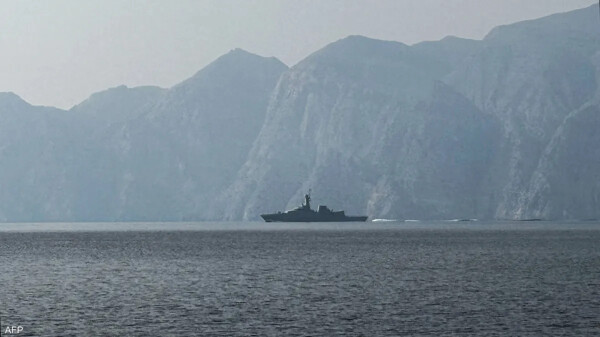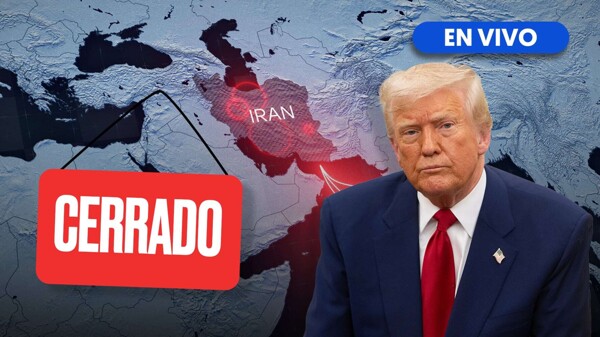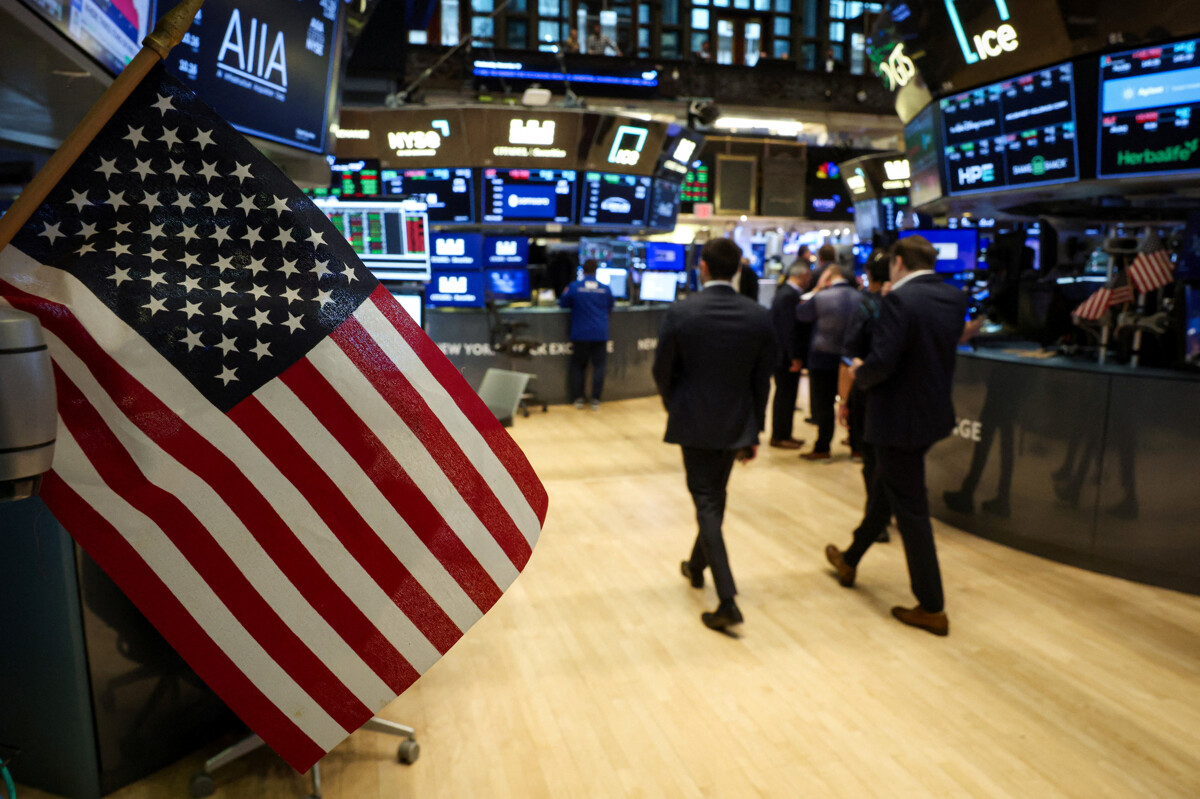
The Strait of Hormuz is a key factor in determining oil prices and market sentiment, and it is clear that we will see further escalation this week. Hopes for a quick end to the war had supported markets last week, with major indices posting their best weekly performance since November following the announcement of a two-week ceasefire between the United States and Iran. U.S. stocks fell on Monday amid a sharp rise in oil prices, after U.S. President Donald Trump announced a naval blockade of the Strait of Hormuz following the failure of peace talks between the U.S. and Iran. The Dow Jones index fell by 0.83%, the S&P 500 declined by 0.31%, and Nasdaq dropped by 0.33%. Goldman Sachs shares were among the main pressures on the market, falling by about 3% despite the bank's strong financial results, affected by underperformance in its fixed-income trading unit. Trump, in a post on the Truth Social platform, said: "Starting now, the U.S. Navy – the best in the world – will begin a mission to blockade all vessels attempting to enter or leave the Strait of Hormuz. Iran will not be allowed to benefit from this illegal act of extortion." The collapse of talks held in Islamabad renewed fears of a longer war with Iran than expected, pushing oil prices higher and increasing pressure on the global economy. Following the breakdown in negotiations, Trump is considering resuming military strikes, according to the Wall Street Journal, citing informed sources. Clark Pellin, head of Bellweather Wealth, said: "Investors are back at square one to reassess the fair value of stocks in the absence of any signs of a quick end to the conflict in the Middle East. The blockade will begin soon, and other countries will participate in it." The S&P 500 index rose by 3.6%, Nasdaq jumped by about 4.7%, and the Dow Jones rose by 3%.